Buy herbshop85.com ?
We are moving the project
herbshop85.com .
Are you interested in purchasing the domain
herbshop85.com ?
domain@kv-gmbh.de · 0541-91531010
Buy herbshop85.com ?
What are sensory cells, sensory organs, and senses?
Sensory cells are specialized cells that detect and respond to specific stimuli, such as light, sound, touch, taste, and smell. These cells are found in sensory organs, which are structures in the body that contain sensory cells and are responsible for detecting and transmitting sensory information to the brain. The senses, on the other hand, are the physiological capacities of organisms that provide data for perception. They include sight, hearing, touch, taste, and smell, and are essential for experiencing and interacting with the environment. **
What is the difference between a primary sensory cell, a secondary sensory cell, and a sensory nerve cell?
Primary sensory cells are specialized cells that directly detect stimuli from the environment, such as light, sound, or touch. Secondary sensory cells receive signals from primary sensory cells and transmit them to the central nervous system. Sensory nerve cells, also known as sensory neurons, are responsible for transmitting the signals from secondary sensory cells to the brain, where they are processed and interpreted. In summary, primary sensory cells detect stimuli, secondary sensory cells relay the signals, and sensory nerve cells transmit the signals to the brain for processing. **


Similar search terms for Sensory
Top-Angebote
Products related to Sensory:
-
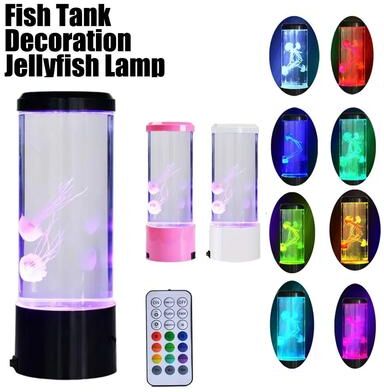
Uplift Essentials Floating Jellyfish Sensory Mood Lamp Floating Jellyfish Sensory Mood LampDive into a world of tranquility with the Floating Jellyfish Sensory Mood Lamp, a mesmerizing centerpiece designed to bring the calming depths of the ocean into your living space. This highdefinition aquarium uses advanced fluid dynamics to create a...72,97 $*Shipping: 0,00 $Secure redirect to the provider
-
Happy Pet Pantry Herbal Dog Throat & Respiratory Support Liquid For Cough Relief & Digestive Wellness Herbal Dog Throat & Respiratory Support Liquid For Cough Relief & Digestive WellnessWhen your dog struggles with coughing, dryness, or throat discomfort, it can be worrying to watch. This herbal liquid formula works as a dog throat supplement designed to gently soothe irritation and support daily comfort. Formulated for pet...39,97 $*Shipping: 0,00 $Secure redirect to the provider
-
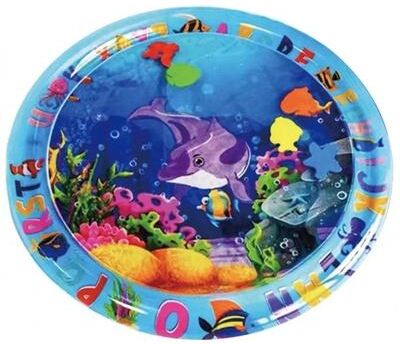
Inspired Finds Interactive Floating Fish Water Sensory Play Mat For Cats sensory MatTurn ordinary playtime into a captivating sensory adventure for your pet. This interactive cat mat features a waterfilled design with floating fish elements that move and shift as your cat paws, presses, and explores the surface. The engaging motion...34,99 $*Shipping: 0,00 $Secure redirect to the provider

-
What is sensory perception?
Sensory perception refers to the process of receiving and interpreting information from the environment through the senses. This includes the five main senses of sight, hearing, touch, taste, and smell, as well as other sensory experiences such as balance, proprioception, and temperature. The brain then processes this sensory information to create a perception of the world around us, allowing us to interact with and understand our surroundings. Sensory perception is essential for everyday functioning and plays a crucial role in how we experience and navigate the world. **
-
Are receptors sensory cells?
Receptors are not sensory cells themselves, but they are specialized proteins located on the surface of sensory cells. These receptors are responsible for detecting and responding to specific stimuli, such as light, sound, taste, or smell. When a receptor is activated by a stimulus, it triggers a series of biochemical reactions within the sensory cell, ultimately leading to the generation of a sensory signal that can be transmitted to the brain for processing. Therefore, while receptors are not sensory cells, they play a crucial role in the sensory process by detecting and transducing stimuli into neural signals. **
-
How does sensory development progress?
Sensory development progresses through a series of stages, beginning with basic sensory experiences such as touch, taste, and smell in infancy. As children grow, they develop more refined sensory abilities, such as improved vision and hearing, and begin to integrate sensory information to make sense of their environment. This process continues into adolescence and adulthood, with individuals becoming more adept at interpreting and responding to sensory stimuli. Overall, sensory development progresses from basic sensory experiences to more complex and integrated sensory abilities as individuals mature. **
-
What are sensory nerve cells?
Sensory nerve cells, also known as sensory neurons, are specialized cells that transmit information from the body's sensory organs (such as the skin, eyes, ears, nose, and tongue) to the central nervous system. These cells are responsible for detecting various stimuli, such as touch, temperature, pain, and pressure, and converting these stimuli into electrical signals that can be interpreted by the brain. Sensory nerve cells play a crucial role in allowing us to perceive and respond to our environment. **


Why is sensory transduction necessary?
Sensory transduction is necessary because it allows the body to convert various forms of environmental stimuli, such as light, sound, touch, and chemical signals, into electrical signals that can be interpreted by the nervous system. This process is essential for the body to perceive and respond to its surroundings, allowing for the detection of potential dangers, the regulation of bodily functions, and the experience of sensations such as taste, smell, and touch. Without sensory transduction, the body would not be able to effectively interact with its environment and respond to changes in its surroundings. **
What are artificial sensory organs?
Artificial sensory organs are devices designed to mimic the functions of natural sensory organs, such as the eyes, ears, and skin. These devices use advanced technology to detect and process sensory information, allowing individuals to perceive and interact with their environment in a way that is similar to natural sensory organs. Artificial sensory organs have the potential to enhance or restore sensory capabilities for individuals with disabilities, as well as to provide new sensory experiences for people without impairments. These technologies have the potential to revolutionize healthcare and human-computer interaction. **
Top-Angebote
Products related to Sensory:
-
Gse Organic Supplements Eye Mask 5 PatchesHealth and Beauty Creams Gse Organic Supplements Eye Mask 5 Patches What is Gse Eye Mask 5 Patches? Gse Eye Mask 5 Patches is an intensive treatment designed to revitalize and rejuvenate the delicate eye area. These patches are formulated with natural ingredients and plant extracts that help reduce puffiness, dark circles, and visible signs of fatigue. Their fresh, soft texture provides an immediate feeling of relief and comfort, leaving the skin firmer, brighter, and more rested. Thanks to its hydrating and repairing action, Gse Eye Mask 5 Patches becomes an ideal ally for restoring vitality and youth to your eyes in just a few minutes. Benefits of Gse Eye Mask 5 Patches • Helps reduce bags and dark circles under the eyes, providing a fresher and more rested look. • Intensely hydrates the eye contour area, preventing dryness and tightness. • Its formula with natural extracts combats the signs of tiredness and premature aging. • It provides an immediate lifting effect, improving the firmness and elasticity of the skin. • Refreshes and soothes the skin, ideal after long days or lack of rest. • Easy to apply and with visible results from the first application. • Ideal for preparing the skin before makeup or as a weekly beauty treatment. Who is Gse Eye Mask 5 Patches for? Gse Eye Mask 5 Patches is especially recommended for people who want to care for and improve the appearance of their eye area. It's ideal for those who suffer from puffiness, dark circles, or eye strain caused by stress, fatigue, or prolonged screen use. It's also perfect for those seeking a refreshing and restorative treatment that enhances the radiance of their eyes. Its gentle and effective formula makes it suitable for all skin types, even the most sensitive, and can be used by both women and men who want to maintain a healthy and rejuvenated appearance. How do I apply it? • Clean and dry your face completely before applying the patches. • Open the envelope and carefully remove the patches from inside. • Place each patch on the eye contour area, making sure it adheres well to the skin. • Leave on for 15-20 minutes to allow the active ingredients to penetrate deeply. • Remove the patches and gently massage the area with your fingertips to promote absorption of the remaining serum. • Do not rinse after use. You can continue with your usual facial routine. Product Use Gse Eye Mask 5 Patches can be used two to three times a week or as needed. It's ideal for applying in the morning before makeup or at night as part of a relaxing skincare routine. Its immediate cooling and tightening effect makes it an excellent choice for special occasions, travel, or days when you need to instantly revitalize your eyes. With consistent use, you'll notice a visible reduction in fine lines, puffiness, and dark circles, and smoother, softer, and more radiant skin. Buy Gse Eye Mask 5 Patches Give your eyes the care they deserve with Gse Eye Mask 5 Patches , the ideal treatment to revitalize the skin...8,56 £*Shipping: 3,99 £Secure redirect to the provider
-
Drop Dash Deals Cleansing Detox Foot Pads For Pain Relief & Toxin Removal Herbal Organic Foot Patches For Wellness Cleansing Detox Foot Pads For Pain Relief & Toxin Removal Herbal Organic Foot Patches For WellnessExperience a natural, rejuvenating detox with these 10 pcs Cleansing Detox Foot Pads. Designed to help remove harmful toxins from your body, these herbal organic patches are perfect for those seeking relief from aches, pain, and fatigue. Simply...29,97 $*Shipping: 0,00 $Secure redirect to the provider
-
Uplift Essentials Floating Jellyfish Sensory Mood Lamp Floating Jellyfish Sensory Mood LampDive into a world of tranquility with the Floating Jellyfish Sensory Mood Lamp, a mesmerizing centerpiece designed to bring the calming depths of the ocean into your living space. This highdefinition aquarium uses advanced fluid dynamics to create a...72,97 $*Shipping: 0,00 $Secure redirect to the provider
-
What are sensory cells, sensory organs, and senses?
Sensory cells are specialized cells that detect and respond to specific stimuli, such as light, sound, touch, taste, and smell. These cells are found in sensory organs, which are structures in the body that contain sensory cells and are responsible for detecting and transmitting sensory information to the brain. The senses, on the other hand, are the physiological capacities of organisms that provide data for perception. They include sight, hearing, touch, taste, and smell, and are essential for experiencing and interacting with the environment. **
-
What is the difference between a primary sensory cell, a secondary sensory cell, and a sensory nerve cell?
Primary sensory cells are specialized cells that directly detect stimuli from the environment, such as light, sound, or touch. Secondary sensory cells receive signals from primary sensory cells and transmit them to the central nervous system. Sensory nerve cells, also known as sensory neurons, are responsible for transmitting the signals from secondary sensory cells to the brain, where they are processed and interpreted. In summary, primary sensory cells detect stimuli, secondary sensory cells relay the signals, and sensory nerve cells transmit the signals to the brain for processing. **
-
What is sensory perception?
Sensory perception refers to the process of receiving and interpreting information from the environment through the senses. This includes the five main senses of sight, hearing, touch, taste, and smell, as well as other sensory experiences such as balance, proprioception, and temperature. The brain then processes this sensory information to create a perception of the world around us, allowing us to interact with and understand our surroundings. Sensory perception is essential for everyday functioning and plays a crucial role in how we experience and navigate the world. **
-
Are receptors sensory cells?
Receptors are not sensory cells themselves, but they are specialized proteins located on the surface of sensory cells. These receptors are responsible for detecting and responding to specific stimuli, such as light, sound, taste, or smell. When a receptor is activated by a stimulus, it triggers a series of biochemical reactions within the sensory cell, ultimately leading to the generation of a sensory signal that can be transmitted to the brain for processing. Therefore, while receptors are not sensory cells, they play a crucial role in the sensory process by detecting and transducing stimuli into neural signals. **
Similar search terms for Sensory
-
Happy Pet Pantry Herbal Dog Throat & Respiratory Support Liquid For Cough Relief & Digestive Wellness Herbal Dog Throat & Respiratory Support Liquid For Cough Relief & Digestive WellnessWhen your dog struggles with coughing, dryness, or throat discomfort, it can be worrying to watch. This herbal liquid formula works as a dog throat supplement designed to gently soothe irritation and support daily comfort. Formulated for pet...39,97 $*Shipping: 0,00 $Secure redirect to the provider
-
Inspired Finds Interactive Floating Fish Water Sensory Play Mat For Cats sensory MatTurn ordinary playtime into a captivating sensory adventure for your pet. This interactive cat mat features a waterfilled design with floating fish elements that move and shift as your cat paws, presses, and explores the surface. The engaging motion...34,99 $*Shipping: 0,00 $Secure redirect to the provider
-
Inspire Essentials Herbal Wellness Navel Patch Comfortable Adhesive Body Patch 1Support your daily selfcare routine with this herbal wellness patch designed for convenient external use. This navel patch features a comfortable adhesive design that stays securely in place while fitting easily into your everyday routine....47,48 $*Shipping: 0,00 $Secure redirect to the provider
-
Inspire Essentials Herbal Wellness Navel Patch Comfortable Adhesive Body Patch 4Support your daily selfcare routine with this herbal wellness patch designed for convenient external use. This navel patch features a comfortable adhesive design that stays securely in place while fitting easily into your everyday routine....62,48 $*Shipping: 0,00 $Secure redirect to the provider
-
How does sensory development progress?
Sensory development progresses through a series of stages, beginning with basic sensory experiences such as touch, taste, and smell in infancy. As children grow, they develop more refined sensory abilities, such as improved vision and hearing, and begin to integrate sensory information to make sense of their environment. This process continues into adolescence and adulthood, with individuals becoming more adept at interpreting and responding to sensory stimuli. Overall, sensory development progresses from basic sensory experiences to more complex and integrated sensory abilities as individuals mature. **
-
What are sensory nerve cells?
Sensory nerve cells, also known as sensory neurons, are specialized cells that transmit information from the body's sensory organs (such as the skin, eyes, ears, nose, and tongue) to the central nervous system. These cells are responsible for detecting various stimuli, such as touch, temperature, pain, and pressure, and converting these stimuli into electrical signals that can be interpreted by the brain. Sensory nerve cells play a crucial role in allowing us to perceive and respond to our environment. **
-
Why is sensory transduction necessary?
Sensory transduction is necessary because it allows the body to convert various forms of environmental stimuli, such as light, sound, touch, and chemical signals, into electrical signals that can be interpreted by the nervous system. This process is essential for the body to perceive and respond to its surroundings, allowing for the detection of potential dangers, the regulation of bodily functions, and the experience of sensations such as taste, smell, and touch. Without sensory transduction, the body would not be able to effectively interact with its environment and respond to changes in its surroundings. **
-
What are artificial sensory organs?
Artificial sensory organs are devices designed to mimic the functions of natural sensory organs, such as the eyes, ears, and skin. These devices use advanced technology to detect and process sensory information, allowing individuals to perceive and interact with their environment in a way that is similar to natural sensory organs. Artificial sensory organs have the potential to enhance or restore sensory capabilities for individuals with disabilities, as well as to provide new sensory experiences for people without impairments. These technologies have the potential to revolutionize healthcare and human-computer interaction. **
* All prices are inclusive of VAT and, if applicable, plus shipping costs. The offer information is based on the details provided by the respective shop and is updated through automated processes. Real-time updates do not occur, so deviations can occur in individual cases. ** Note: Parts of this content were created by AI.