Buy herbshop85.com ?
We are moving the project
herbshop85.com .
Are you interested in purchasing the domain
herbshop85.com ?
domain@kv-gmbh.de · 0541-91531010
Buy herbshop85.com ?
What were the Reformation and Counter-Reformation?
The Reformation was a 16th-century movement within Christianity that aimed to reform the Roman Catholic Church. It was led by figures such as Martin Luther, John Calvin, and Huldrych Zwingli, who sought to address corruption and abuses within the Church. The Counter-Reformation, on the other hand, was the Catholic Church's response to the Reformation. It involved efforts to reaffirm and strengthen Catholic doctrine, as well as to address some of the criticisms raised by the reformers. The Council of Trent, held between 1545 and 1563, was a key event in the Counter-Reformation, as it outlined reforms and clarified Catholic teachings. **
What was the Reformation and the Counter-Reformation?
The Reformation was a 16th-century movement in Europe that sought to reform the Roman Catholic Church and resulted in the creation of Protestantism. It was sparked by Martin Luther's 95 Theses, which criticized the Church's practices and teachings. The Counter-Reformation was the Catholic Church's response to the Reformation, aiming to address the issues raised by the reformers and to reassert the Church's authority. It included efforts to reform the Church from within, as well as the establishment of the Inquisition to combat heresy. **

Similar search terms for Counter-Reformation
Top-Angebote
Products related to Counter-Reformation:
-
Drop Dash Deals Cleansing Detox Foot Pads For Pain Relief & Toxin Removal Herbal Organic Foot Patches For Wellness Cleansing Detox Foot Pads For Pain Relief & Toxin Removal Herbal Organic Foot Patches For WellnessExperience a natural, rejuvenating detox with these 10 pcs Cleansing Detox Foot Pads. Designed to help remove harmful toxins from your body, these herbal organic patches are perfect for those seeking relief from aches, pain, and fatigue. Simply...29,97 $*Shipping: 0,00 $Secure redirect to the provider
-
Bentham Counter Stool - Natural Oak - Ballard DesignsThe sculptural lines were inspired by a modern classic - the wishbone chair. Our Bentham Counter Stool captures the distinctive look with comfortably contoured back, subtly tapered legs, and side rails that continue through the wide welcoming seat....300,30 $*Shipping: 39,95 $Secure redirect to the provider
-
Corey Counter Stool - Natural Whitewash - Ballard DesignsIt has the look of a well-loved family farm heirloom. Our Corey Stool is handmade of hardwood with an extra wide seat contoured like a Swiss tractor seat, so it's extremely comfortable for leisurely perching. Corey Stool features: Natural whitewash...174,30 $*Shipping: 24,95 $Secure redirect to the provider
-
Linon Home Decor Products Aspen Counter Stool Natural , NaturalThe Aspen Kitchen Stool looks perfect in any farmhouse. Made of wood, this French-style stool has a natural finish with gray washed accents and brushed silver nailhead trim. The polyester seat and back have gray ticking stripe designs on ivory; fill...189,00 $*Shipping: 0,00 $Secure redirect to the provider




-
What was the Counter-Reformation?
The Counter-Reformation was a period of Catholic resurgence in response to the Protestant Reformation. It was a movement within the Catholic Church to address the criticisms and challenges posed by the Protestant reformers. The Counter-Reformation involved efforts to reform the Church from within, combat heresy, and strengthen Catholic doctrine and practices. It also led to the founding of new religious orders, such as the Jesuits, to spread Catholicism and combat the spread of Protestantism. **
-
Why were numerous universities founded during the Reformation and Counter-Reformation era?
Numerous universities were founded during the Reformation and Counter-Reformation era because of the increased demand for education and the need to train clergy and scholars in the theological and philosophical debates of the time. The Reformation led to a greater emphasis on the study of scripture and theology, prompting the establishment of Protestant universities to train ministers and scholars in these areas. On the other hand, the Counter-Reformation, led by the Catholic Church, also saw the founding of universities to educate clergy and counter the spread of Protestant ideas. Additionally, the printing press allowed for the dissemination of knowledge, leading to a greater demand for education and the establishment of more universities. **
-
How can the Counter-Reformation be explained simply?
The Counter-Reformation was a movement within the Catholic Church in response to the Protestant Reformation. It aimed to address the criticisms of the Church, reaffirm Catholic teachings, and combat the spread of Protestantism. The Counter-Reformation involved reforms within the Church, such as the Council of Trent, as well as the establishment of new religious orders like the Jesuits. Overall, the Counter-Reformation sought to revitalize and strengthen the Catholic Church in the face of the challenges posed by the Protestant Reformation. **
-
What significance did pamphlets and caricatures have during the time of the Reformation and Counter-Reformation?
Pamphlets and caricatures were significant during the time of the Reformation and Counter-Reformation as they were used as powerful tools for spreading ideas and propaganda. Pamphlets were a popular medium for disseminating religious and political ideas, allowing for the rapid spread of information and influencing public opinion. Caricatures, on the other hand, were used to mock and criticize religious figures and institutions, challenging the authority of the Catholic Church and promoting the ideas of the Protestant Reformation. Both pamphlets and caricatures played a crucial role in shaping public discourse and contributing to the spread of religious and political change during this tumultuous period in European history. **


What do you think of the accusations that both supporters of the Reformation and the Counter-Reformation accuse each other of being in league with the devil?
Accusations of being in league with the devil were common during the Reformation and Counter-Reformation as a way to discredit opponents. Both sides used these accusations to demonize their adversaries and undermine their credibility. It was a tactic to instill fear and sway public opinion in their favor. Ultimately, these accusations were a reflection of the intense religious and political tensions of the time, rather than any actual evidence of diabolical alliances. **
What do you think of the accusations that both supporters of the Reformation and the Counter-Reformation are accusing each other of being in league with the devil?
The accusations made by both supporters of the Reformation and the Counter-Reformation that each side is in league with the devil are reflective of the intense religious and political tensions of the time. These accusations were often used as a way to discredit and demonize the opposing side, rather than engage in constructive dialogue. It highlights the deep-seated fear and mistrust that existed between the two factions during this period of religious upheaval. **
Top-Angebote
Products related to Counter-Reformation:
-
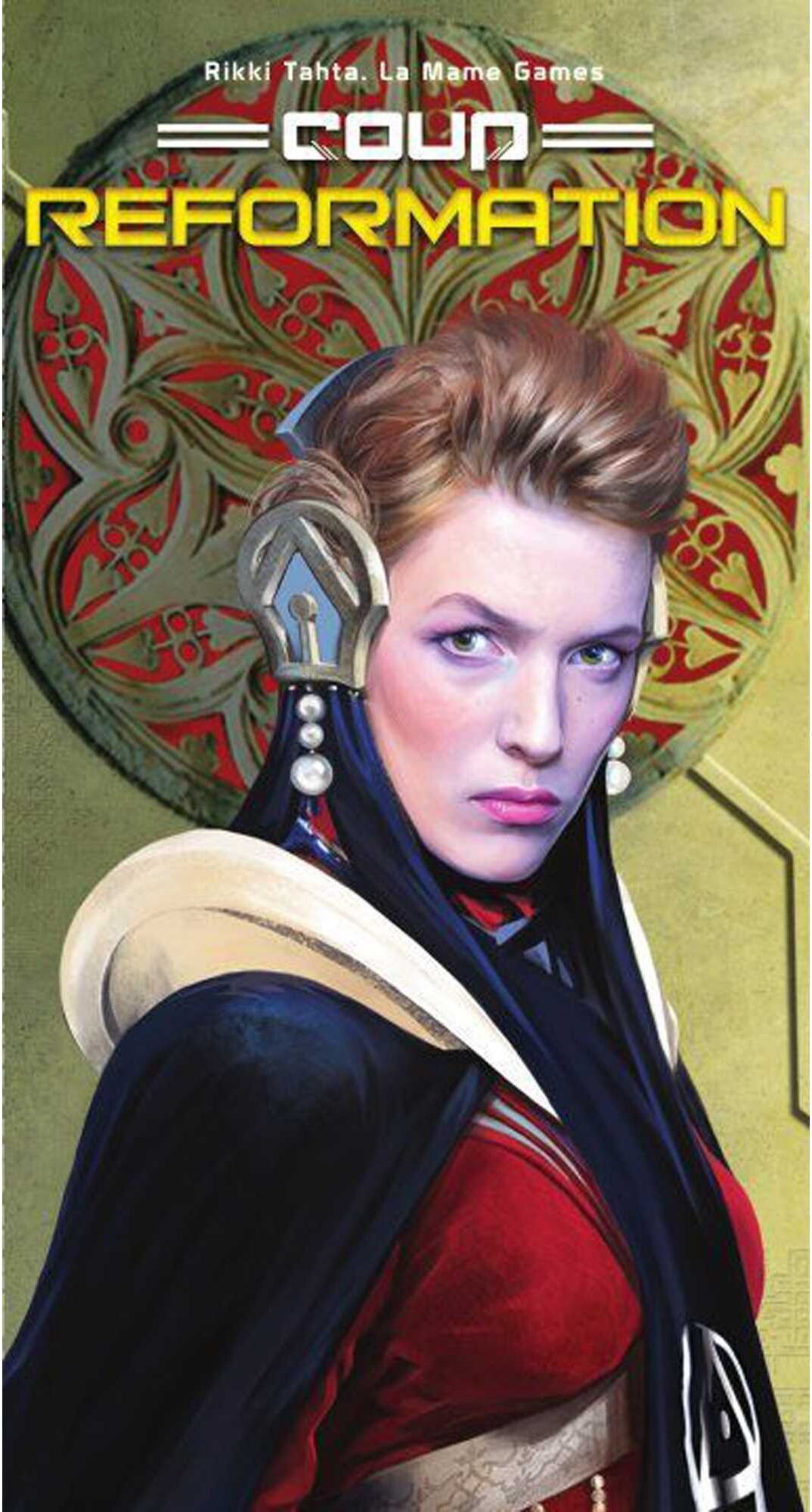
Coup: Reformation (Second Edition) - Team-Based Card Game for 2-10 Players by Indie Boards and CardsExpand the world of Coup with Coup: Reformation (Second Edition), an expansion that introduces team play to the game. This allows players to form alliances, change sides, and challenge one another as the balance of power shifts. With support for up to 10 players, the game offers a fresh way to bring larger groups into the political intrigue of the Coup universe. Players must decide when to conceal their identity, when to claim influence, and when to risk a challenge. Alliances can provide protection, but loyalty is never guaranteed. The game is designed to expand the Coup experience and is suitable for groups of up to 10 players. Gather your allies, watch for deception, and choose the right moment to change sides.10,49 £*Shipping: 3,95 £Secure redirect to the provider
-
Gse Organic Supplements Eye Mask 5 PatchesHealth and Beauty Creams Gse Organic Supplements Eye Mask 5 Patches What is Gse Eye Mask 5 Patches? Gse Eye Mask 5 Patches is an intensive treatment designed to revitalize and rejuvenate the delicate eye area. These patches are formulated with natural ingredients and plant extracts that help reduce puffiness, dark circles, and visible signs of fatigue. Their fresh, soft texture provides an immediate feeling of relief and comfort, leaving the skin firmer, brighter, and more rested. Thanks to its hydrating and repairing action, Gse Eye Mask 5 Patches becomes an ideal ally for restoring vitality and youth to your eyes in just a few minutes. Benefits of Gse Eye Mask 5 Patches • Helps reduce bags and dark circles under the eyes, providing a fresher and more rested look. • Intensely hydrates the eye contour area, preventing dryness and tightness. • Its formula with natural extracts combats the signs of tiredness and premature aging. • It provides an immediate lifting effect, improving the firmness and elasticity of the skin. • Refreshes and soothes the skin, ideal after long days or lack of rest. • Easy to apply and with visible results from the first application. • Ideal for preparing the skin before makeup or as a weekly beauty treatment. Who is Gse Eye Mask 5 Patches for? Gse Eye Mask 5 Patches is especially recommended for people who want to care for and improve the appearance of their eye area. It's ideal for those who suffer from puffiness, dark circles, or eye strain caused by stress, fatigue, or prolonged screen use. It's also perfect for those seeking a refreshing and restorative treatment that enhances the radiance of their eyes. Its gentle and effective formula makes it suitable for all skin types, even the most sensitive, and can be used by both women and men who want to maintain a healthy and rejuvenated appearance. How do I apply it? • Clean and dry your face completely before applying the patches. • Open the envelope and carefully remove the patches from inside. • Place each patch on the eye contour area, making sure it adheres well to the skin. • Leave on for 15-20 minutes to allow the active ingredients to penetrate deeply. • Remove the patches and gently massage the area with your fingertips to promote absorption of the remaining serum. • Do not rinse after use. You can continue with your usual facial routine. Product Use Gse Eye Mask 5 Patches can be used two to three times a week or as needed. It's ideal for applying in the morning before makeup or at night as part of a relaxing skincare routine. Its immediate cooling and tightening effect makes it an excellent choice for special occasions, travel, or days when you need to instantly revitalize your eyes. With consistent use, you'll notice a visible reduction in fine lines, puffiness, and dark circles, and smoother, softer, and more radiant skin. Buy Gse Eye Mask 5 Patches Give your eyes the care they deserve with Gse Eye Mask 5 Patches , the ideal treatment to revitalize the skin...8,56 £*Shipping: 3,99 £Secure redirect to the provider
-
Drop Dash Deals Cleansing Detox Foot Pads For Pain Relief & Toxin Removal Herbal Organic Foot Patches For Wellness Cleansing Detox Foot Pads For Pain Relief & Toxin Removal Herbal Organic Foot Patches For WellnessExperience a natural, rejuvenating detox with these 10 pcs Cleansing Detox Foot Pads. Designed to help remove harmful toxins from your body, these herbal organic patches are perfect for those seeking relief from aches, pain, and fatigue. Simply...29,97 $*Shipping: 0,00 $Secure redirect to the provider
-
Bentham Counter Stool - Natural Oak - Ballard DesignsThe sculptural lines were inspired by a modern classic - the wishbone chair. Our Bentham Counter Stool captures the distinctive look with comfortably contoured back, subtly tapered legs, and side rails that continue through the wide welcoming seat....300,30 $*Shipping: 39,95 $Secure redirect to the provider
-
What were the Reformation and Counter-Reformation?
The Reformation was a 16th-century movement within Christianity that aimed to reform the Roman Catholic Church. It was led by figures such as Martin Luther, John Calvin, and Huldrych Zwingli, who sought to address corruption and abuses within the Church. The Counter-Reformation, on the other hand, was the Catholic Church's response to the Reformation. It involved efforts to reaffirm and strengthen Catholic doctrine, as well as to address some of the criticisms raised by the reformers. The Council of Trent, held between 1545 and 1563, was a key event in the Counter-Reformation, as it outlined reforms and clarified Catholic teachings. **
-
What was the Reformation and the Counter-Reformation?
The Reformation was a 16th-century movement in Europe that sought to reform the Roman Catholic Church and resulted in the creation of Protestantism. It was sparked by Martin Luther's 95 Theses, which criticized the Church's practices and teachings. The Counter-Reformation was the Catholic Church's response to the Reformation, aiming to address the issues raised by the reformers and to reassert the Church's authority. It included efforts to reform the Church from within, as well as the establishment of the Inquisition to combat heresy. **
-
What was the Counter-Reformation?
The Counter-Reformation was a period of Catholic resurgence in response to the Protestant Reformation. It was a movement within the Catholic Church to address the criticisms and challenges posed by the Protestant reformers. The Counter-Reformation involved efforts to reform the Church from within, combat heresy, and strengthen Catholic doctrine and practices. It also led to the founding of new religious orders, such as the Jesuits, to spread Catholicism and combat the spread of Protestantism. **
-
Why were numerous universities founded during the Reformation and Counter-Reformation era?
Numerous universities were founded during the Reformation and Counter-Reformation era because of the increased demand for education and the need to train clergy and scholars in the theological and philosophical debates of the time. The Reformation led to a greater emphasis on the study of scripture and theology, prompting the establishment of Protestant universities to train ministers and scholars in these areas. On the other hand, the Counter-Reformation, led by the Catholic Church, also saw the founding of universities to educate clergy and counter the spread of Protestant ideas. Additionally, the printing press allowed for the dissemination of knowledge, leading to a greater demand for education and the establishment of more universities. **
Similar search terms for Counter-Reformation
-
Corey Counter Stool - Natural Whitewash - Ballard DesignsIt has the look of a well-loved family farm heirloom. Our Corey Stool is handmade of hardwood with an extra wide seat contoured like a Swiss tractor seat, so it's extremely comfortable for leisurely perching. Corey Stool features: Natural whitewash...174,30 $*Shipping: 24,95 $Secure redirect to the provider
-
Linon Home Decor Products Aspen Counter Stool Natural , NaturalThe Aspen Kitchen Stool looks perfect in any farmhouse. Made of wood, this French-style stool has a natural finish with gray washed accents and brushed silver nailhead trim. The polyester seat and back have gray ticking stripe designs on ivory; fill...189,00 $*Shipping: 0,00 $Secure redirect to the provider
-
Linon Home Decor Products Erindale Counter Stool, Counter, GrayBe sure to have a seat on the sleek and modern Erindale Kitchen Counter Stool. The wood stool is perfect for any high tabletop or counter space. Backless stool has a black finish, an upholstered faux leather seat, double stitching, foam fill, and...105,00 $*Shipping: 18,95 $Secure redirect to the provider
-
Linon Home Decor Products Ryedale Counter Stool, Counter, BrownCharm your space with the attractive detailing of the Ryedale Counter Stool. Finished in natural cherry, the backless wood stool features sleek lines and a convenient footrest. Antique brass nailhead trim and double needle accent stitching embellish...105,00 $*Shipping: 18,95 $Secure redirect to the provider
-
How can the Counter-Reformation be explained simply?
The Counter-Reformation was a movement within the Catholic Church in response to the Protestant Reformation. It aimed to address the criticisms of the Church, reaffirm Catholic teachings, and combat the spread of Protestantism. The Counter-Reformation involved reforms within the Church, such as the Council of Trent, as well as the establishment of new religious orders like the Jesuits. Overall, the Counter-Reformation sought to revitalize and strengthen the Catholic Church in the face of the challenges posed by the Protestant Reformation. **
-
What significance did pamphlets and caricatures have during the time of the Reformation and Counter-Reformation?
Pamphlets and caricatures were significant during the time of the Reformation and Counter-Reformation as they were used as powerful tools for spreading ideas and propaganda. Pamphlets were a popular medium for disseminating religious and political ideas, allowing for the rapid spread of information and influencing public opinion. Caricatures, on the other hand, were used to mock and criticize religious figures and institutions, challenging the authority of the Catholic Church and promoting the ideas of the Protestant Reformation. Both pamphlets and caricatures played a crucial role in shaping public discourse and contributing to the spread of religious and political change during this tumultuous period in European history. **
-
What do you think of the accusations that both supporters of the Reformation and the Counter-Reformation accuse each other of being in league with the devil?
Accusations of being in league with the devil were common during the Reformation and Counter-Reformation as a way to discredit opponents. Both sides used these accusations to demonize their adversaries and undermine their credibility. It was a tactic to instill fear and sway public opinion in their favor. Ultimately, these accusations were a reflection of the intense religious and political tensions of the time, rather than any actual evidence of diabolical alliances. **
-
What do you think of the accusations that both supporters of the Reformation and the Counter-Reformation are accusing each other of being in league with the devil?
The accusations made by both supporters of the Reformation and the Counter-Reformation that each side is in league with the devil are reflective of the intense religious and political tensions of the time. These accusations were often used as a way to discredit and demonize the opposing side, rather than engage in constructive dialogue. It highlights the deep-seated fear and mistrust that existed between the two factions during this period of religious upheaval. **
* All prices are inclusive of VAT and, if applicable, plus shipping costs. The offer information is based on the details provided by the respective shop and is updated through automated processes. Real-time updates do not occur, so deviations can occur in individual cases. ** Note: Parts of this content were created by AI.