Buy herbshop85.com ?
We are moving the project
herbshop85.com .
Are you interested in purchasing the domain
herbshop85.com ?
domain@kv-gmbh.de · 0541-91531010
Buy herbshop85.com ?
Is glyphosate an organic compound?
No, glyphosate is not an organic compound. It is a synthetic compound that is classified as an organophosphorus compound. Glyphosate is a broad-spectrum herbicide that is widely used in agriculture to kill weeds. Organic compounds, on the other hand, are compounds that contain carbon-hydrogen bonds and are typically found in living organisms. **
What are organic compound groups?
Organic compound groups are categories of molecules that contain carbon atoms bonded to hydrogen atoms, along with other elements such as oxygen, nitrogen, sulfur, and phosphorus. Some common organic compound groups include alkanes, alkenes, alkynes, alcohols, carboxylic acids, and amino acids. Each group has unique properties and characteristics based on the arrangement of atoms and functional groups present in the molecule. Organic compound groups play a crucial role in biological processes, chemical reactions, and the structure of various natural and synthetic compounds. **

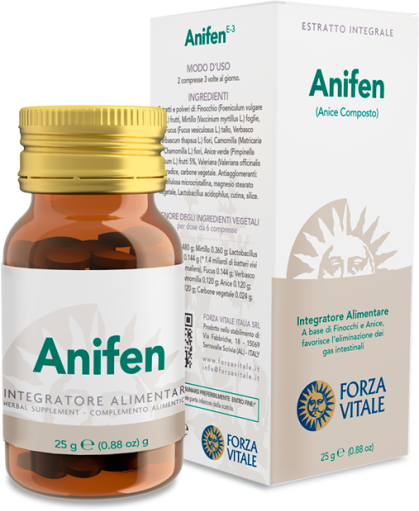
Similar search terms for Forza-Vitale-Compound-Ficus
Top-Angebote
Products related to Forza-Vitale-Compound-Ficus:
-
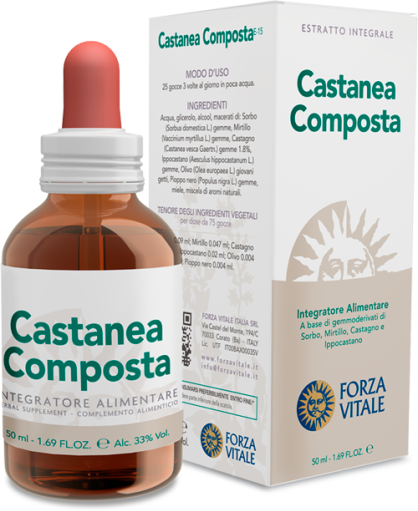
Forza Vitale Compound Chestnut Extract 50 mlNutrition and Supplements Natural Extracts Forza Vitale Compound Chestnut Extract 50 ml It favors the natural maintenance of the tonicity of the vessels. How to use: Adults: Take 25 drops, 3 times a day in little water or sublingually. Children up to 12 years old: Take 10 drops, 3 times a day in little water or in fruit juice.19,49 £*Shipping: 3,99 £Secure redirect to the provider


-
Why are there so many organic compound substances?
There are so many organic compound substances because carbon has the unique ability to form strong covalent bonds with other elements, allowing for a wide variety of molecular structures to be created. Additionally, carbon can form bonds with itself, leading to the formation of long chains and complex three-dimensional structures. This versatility of carbon bonding allows for the creation of a vast array of organic compounds with diverse properties and functions, making them essential building blocks of life. **
-
Does the Ficus Ginseng move?
No, the Ficus Ginseng plant does not move. It is a stationary plant that grows in a fixed location. While it may change and grow over time, it does not have the ability to physically move from one place to another. **
-
Is the Ficus benjamina dead?
Without more information or context, it is difficult to determine if the Ficus benjamina is dead. Signs of a dead Ficus benjamina may include brittle, dry leaves, lack of new growth, and a trunk that is soft or hollow. It is recommended to check the plant for these signs and assess its overall health before concluding if it is dead or not. **
-
What is a Ficus tree?
A Ficus tree is a type of tree belonging to the genus Ficus, which is part of the mulberry family. These trees are known for their large, glossy leaves and their ability to grow in a variety of environments, including tropical and subtropical regions. Ficus trees are often used as ornamental plants in gardens and landscapes, and some species are also grown as houseplants. They are known for their resilience and adaptability, making them a popular choice for both indoor and outdoor settings. **

What is the oxidation number of carbon in an organic compound?
The oxidation number of carbon in an organic compound is typically -4. This is because carbon is more electronegative than hydrogen and is considered to have gained electrons from hydrogen in organic compounds. However, the oxidation number of carbon can vary depending on the specific compound and its structure. **
Is it an ionic compound or a molecular compound?
To determine if a compound is ionic or molecular, you can look at the elements involved. Ionic compounds typically involve a metal and a nonmetal, while molecular compounds involve two or more nonmetals. Ionic compounds form when atoms transfer electrons to achieve a full outer shell, resulting in the formation of ions. Molecular compounds form when atoms share electrons to achieve a stable electron configuration. **
Top-Angebote
Products related to Forza-Vitale-Compound-Ficus:
-
Forza Vitale Compound Chestnut Extract 50 mlNutrition and Supplements Natural Extracts Forza Vitale Compound Chestnut Extract 50 ml It favors the natural maintenance of the tonicity of the vessels. How to use: Adults: Take 25 drops, 3 times a day in little water or sublingually. Children up to 12 years old: Take 10 drops, 3 times a day in little water or in fruit juice.19,49 £*Shipping: 3,99 £Secure redirect to the provider
-
Is glyphosate an organic compound?
No, glyphosate is not an organic compound. It is a synthetic compound that is classified as an organophosphorus compound. Glyphosate is a broad-spectrum herbicide that is widely used in agriculture to kill weeds. Organic compounds, on the other hand, are compounds that contain carbon-hydrogen bonds and are typically found in living organisms. **
-
What are organic compound groups?
Organic compound groups are categories of molecules that contain carbon atoms bonded to hydrogen atoms, along with other elements such as oxygen, nitrogen, sulfur, and phosphorus. Some common organic compound groups include alkanes, alkenes, alkynes, alcohols, carboxylic acids, and amino acids. Each group has unique properties and characteristics based on the arrangement of atoms and functional groups present in the molecule. Organic compound groups play a crucial role in biological processes, chemical reactions, and the structure of various natural and synthetic compounds. **
-
Why are there so many organic compound substances?
There are so many organic compound substances because carbon has the unique ability to form strong covalent bonds with other elements, allowing for a wide variety of molecular structures to be created. Additionally, carbon can form bonds with itself, leading to the formation of long chains and complex three-dimensional structures. This versatility of carbon bonding allows for the creation of a vast array of organic compounds with diverse properties and functions, making them essential building blocks of life. **
-
Does the Ficus Ginseng move?
No, the Ficus Ginseng plant does not move. It is a stationary plant that grows in a fixed location. While it may change and grow over time, it does not have the ability to physically move from one place to another. **
Similar search terms for Forza-Vitale-Compound-Ficus
-
Is the Ficus benjamina dead?
Without more information or context, it is difficult to determine if the Ficus benjamina is dead. Signs of a dead Ficus benjamina may include brittle, dry leaves, lack of new growth, and a trunk that is soft or hollow. It is recommended to check the plant for these signs and assess its overall health before concluding if it is dead or not. **
-
What is a Ficus tree?
A Ficus tree is a type of tree belonging to the genus Ficus, which is part of the mulberry family. These trees are known for their large, glossy leaves and their ability to grow in a variety of environments, including tropical and subtropical regions. Ficus trees are often used as ornamental plants in gardens and landscapes, and some species are also grown as houseplants. They are known for their resilience and adaptability, making them a popular choice for both indoor and outdoor settings. **
-
What is the oxidation number of carbon in an organic compound?
The oxidation number of carbon in an organic compound is typically -4. This is because carbon is more electronegative than hydrogen and is considered to have gained electrons from hydrogen in organic compounds. However, the oxidation number of carbon can vary depending on the specific compound and its structure. **
-
Is it an ionic compound or a molecular compound?
To determine if a compound is ionic or molecular, you can look at the elements involved. Ionic compounds typically involve a metal and a nonmetal, while molecular compounds involve two or more nonmetals. Ionic compounds form when atoms transfer electrons to achieve a full outer shell, resulting in the formation of ions. Molecular compounds form when atoms share electrons to achieve a stable electron configuration. **
* All prices are inclusive of VAT and, if applicable, plus shipping costs. The offer information is based on the details provided by the respective shop and is updated through automated processes. Real-time updates do not occur, so deviations can occur in individual cases. ** Note: Parts of this content were created by AI.