Buy herbshop85.com ?
We are moving the project
herbshop85.com .
Are you interested in purchasing the domain
herbshop85.com ?
domain@kv-gmbh.de · 0541-91531010
Buy herbshop85.com ?
Maple lower classifications
Maple trees belong to the genus Acer, which is further classified into different species. Some common species of maple trees include Acer saccharum (sugar maple), Acer rubrum (red maple), and Acer platanoides (Norway maple). These species have distinct characteristics such as leaf shape, bark texture, and coloration, which help in their identification. Each species of maple tree may also have different cultivars or varieties within them, adding to the diversity within the genus Acer. **
Can deer or sheep eat maple or maple-like leaves?
Deer and sheep can eat maple leaves in small quantities, but they should not be a primary source of food for these animals. Maple leaves contain tannins, which can be harmful to deer and sheep if consumed in large amounts. Additionally, some maple species, such as red maple, can be toxic to horses and other livestock. It's important to provide a balanced diet for deer and sheep that includes a variety of forage and not rely solely on maple leaves for their nutrition. **

Similar search terms for Maple
Top-Angebote
Products related to Maple:
-
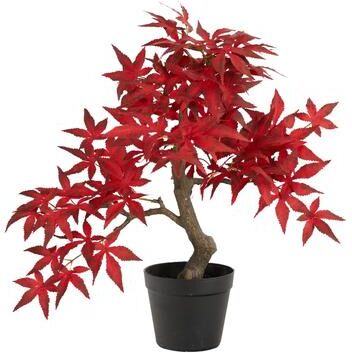
Nearly Natural "20"" Autumn Maple Bonsai"Complement your harvest décor with an autumn-inspired maple bonsai. Inspired by the magnificent fall foliage of North America, this high-quality faux bonsai will elevate your everyday interiors while adding a bit of festive cheer.63,45 $*Shipping: 0,00 $Secure redirect to the provider


-
Can you also extract maple syrup from maple trees in Germany?
Yes, it is possible to extract maple syrup from maple trees in Germany. While Canada and the northeastern United States are well-known for their maple syrup production, Germany also has suitable maple trees for syrup extraction. The most common maple tree species used for syrup production in Germany is the Norway maple (Acer platanoides). The process of tapping the trees and collecting the sap is similar to that in North America, although the climate and specific maple tree species may result in slightly different flavor profiles in the syrup. **
-
Can you eat maple?
Yes, maple is a type of tree that produces sap, which can be collected and processed into maple syrup. Maple syrup is commonly used as a sweetener in cooking and baking. While you cannot eat the wood of the maple tree, you can consume the delicious maple syrup that is derived from it. **
-
Lower classifications of maple
Lower classifications of maple include the various species within the Acer genus, such as Acer rubrum (red maple), Acer saccharinum (silver maple), and Acer negundo (boxelder). These species are further divided into different cultivars and varieties based on characteristics like leaf shape, color, and growth habit. Each lower classification of maple has its own unique features and growing requirements, making them suitable for different landscaping or forestry purposes. **
-
Maple syrup or honey?
It ultimately depends on personal preference and the intended use. Maple syrup has a distinct rich and robust flavor, while honey has a natural sweetness with floral undertones. Maple syrup is often used as a topping for pancakes and waffles, while honey is commonly used as a sweetener in tea or as a spread. Both have their own unique qualities and can be enjoyed in different ways. **
'Lower classifications of maple'
Lower classifications of maple include various species within the Acer genus, such as Acer rubrum (red maple), Acer saccharinum (silver maple), and Acer negundo (boxelder). These species are further divided into different varieties and cultivars, each with unique characteristics in terms of leaf shape, color, and growth habit. While all maples share some common traits, such as opposite branching and distinctive palmate leaves, the lower classifications help differentiate between the different types of maples found in nature. **
Are maple owls poisonous?
No, maple owls are not poisonous. In fact, owls are not known to be poisonous at all. They are carnivorous birds of prey that hunt and eat small mammals, birds, and insects. While some owls may have toxins in their feathers or skin to deter predators, they are not considered poisonous to humans or other animals. **
Top-Angebote
Products related to Maple:
-
Gse Organic Supplements Eye Mask 5 PatchesHealth and Beauty Creams Gse Organic Supplements Eye Mask 5 Patches What is Gse Eye Mask 5 Patches? Gse Eye Mask 5 Patches is an intensive treatment designed to revitalize and rejuvenate the delicate eye area. These patches are formulated with natural ingredients and plant extracts that help reduce puffiness, dark circles, and visible signs of fatigue. Their fresh, soft texture provides an immediate feeling of relief and comfort, leaving the skin firmer, brighter, and more rested. Thanks to its hydrating and repairing action, Gse Eye Mask 5 Patches becomes an ideal ally for restoring vitality and youth to your eyes in just a few minutes. Benefits of Gse Eye Mask 5 Patches • Helps reduce bags and dark circles under the eyes, providing a fresher and more rested look. • Intensely hydrates the eye contour area, preventing dryness and tightness. • Its formula with natural extracts combats the signs of tiredness and premature aging. • It provides an immediate lifting effect, improving the firmness and elasticity of the skin. • Refreshes and soothes the skin, ideal after long days or lack of rest. • Easy to apply and with visible results from the first application. • Ideal for preparing the skin before makeup or as a weekly beauty treatment. Who is Gse Eye Mask 5 Patches for? Gse Eye Mask 5 Patches is especially recommended for people who want to care for and improve the appearance of their eye area. It's ideal for those who suffer from puffiness, dark circles, or eye strain caused by stress, fatigue, or prolonged screen use. It's also perfect for those seeking a refreshing and restorative treatment that enhances the radiance of their eyes. Its gentle and effective formula makes it suitable for all skin types, even the most sensitive, and can be used by both women and men who want to maintain a healthy and rejuvenated appearance. How do I apply it? • Clean and dry your face completely before applying the patches. • Open the envelope and carefully remove the patches from inside. • Place each patch on the eye contour area, making sure it adheres well to the skin. • Leave on for 15-20 minutes to allow the active ingredients to penetrate deeply. • Remove the patches and gently massage the area with your fingertips to promote absorption of the remaining serum. • Do not rinse after use. You can continue with your usual facial routine. Product Use Gse Eye Mask 5 Patches can be used two to three times a week or as needed. It's ideal for applying in the morning before makeup or at night as part of a relaxing skincare routine. Its immediate cooling and tightening effect makes it an excellent choice for special occasions, travel, or days when you need to instantly revitalize your eyes. With consistent use, you'll notice a visible reduction in fine lines, puffiness, and dark circles, and smoother, softer, and more radiant skin. Buy Gse Eye Mask 5 Patches Give your eyes the care they deserve with Gse Eye Mask 5 Patches , the ideal treatment to revitalize the skin...8,45 £*Shipping: 3,99 £Secure redirect to the provider
-
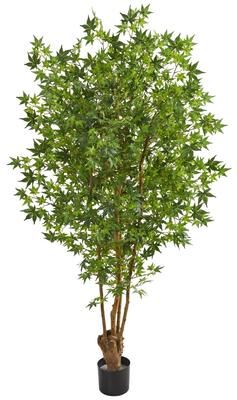
Nearly Natural 6' Maple Artificial TreeSeveral thin brown trunk are filled with an abundant amount of realistic light and dark green leaves to create this lifelike maple artificial tree. With it lush appearance, this six-foot tall tree makes a good fit for any large space or room.154,38 $*Shipping: 0,00 $Secure redirect to the provider
-
Nearly Natural "20"" Autumn Maple Bonsai"Complement your harvest décor with an autumn-inspired maple bonsai. Inspired by the magnificent fall foliage of North America, this high-quality faux bonsai will elevate your everyday interiors while adding a bit of festive cheer.63,45 $*Shipping: 0,00 $Secure redirect to the provider
-
Maple lower classifications
Maple trees belong to the genus Acer, which is further classified into different species. Some common species of maple trees include Acer saccharum (sugar maple), Acer rubrum (red maple), and Acer platanoides (Norway maple). These species have distinct characteristics such as leaf shape, bark texture, and coloration, which help in their identification. Each species of maple tree may also have different cultivars or varieties within them, adding to the diversity within the genus Acer. **
-
Can deer or sheep eat maple or maple-like leaves?
Deer and sheep can eat maple leaves in small quantities, but they should not be a primary source of food for these animals. Maple leaves contain tannins, which can be harmful to deer and sheep if consumed in large amounts. Additionally, some maple species, such as red maple, can be toxic to horses and other livestock. It's important to provide a balanced diet for deer and sheep that includes a variety of forage and not rely solely on maple leaves for their nutrition. **
-
Can you also extract maple syrup from maple trees in Germany?
Yes, it is possible to extract maple syrup from maple trees in Germany. While Canada and the northeastern United States are well-known for their maple syrup production, Germany also has suitable maple trees for syrup extraction. The most common maple tree species used for syrup production in Germany is the Norway maple (Acer platanoides). The process of tapping the trees and collecting the sap is similar to that in North America, although the climate and specific maple tree species may result in slightly different flavor profiles in the syrup. **
-
Can you eat maple?
Yes, maple is a type of tree that produces sap, which can be collected and processed into maple syrup. Maple syrup is commonly used as a sweetener in cooking and baking. While you cannot eat the wood of the maple tree, you can consume the delicious maple syrup that is derived from it. **
Similar search terms for Maple
-
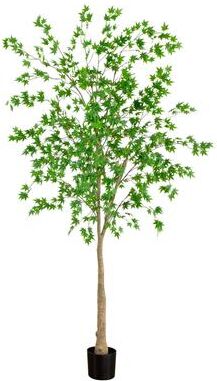
Nearly Natural 8' Artificial Maple Tree - GreenAdd a whimsical touch to your decor with our artificial maple tree. Inspired by a dense, green woodland, this tree is designed to amplify the natural charm of your living space with its canopy of cluster-like leaves draping from delicate brown...218,82 $*Shipping: 0,00 $Secure redirect to the provider
-
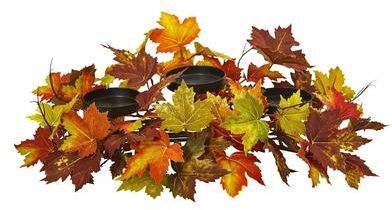
Nearly Natural Maple Leaf Artificial Arrangement CandelabrumThree black candelabrums stand out as accent pieces against the surrounding red, green, and orange maple leaves. Place this elegant ornament on a single dresser or small bookshelf to bring light to the corners of your room.56,43 $*Shipping: 0,00 $Secure redirect to the provider
-
Lower classifications of maple
Lower classifications of maple include the various species within the Acer genus, such as Acer rubrum (red maple), Acer saccharinum (silver maple), and Acer negundo (boxelder). These species are further divided into different cultivars and varieties based on characteristics like leaf shape, color, and growth habit. Each lower classification of maple has its own unique features and growing requirements, making them suitable for different landscaping or forestry purposes. **
-
Maple syrup or honey?
It ultimately depends on personal preference and the intended use. Maple syrup has a distinct rich and robust flavor, while honey has a natural sweetness with floral undertones. Maple syrup is often used as a topping for pancakes and waffles, while honey is commonly used as a sweetener in tea or as a spread. Both have their own unique qualities and can be enjoyed in different ways. **
-
'Lower classifications of maple'
Lower classifications of maple include various species within the Acer genus, such as Acer rubrum (red maple), Acer saccharinum (silver maple), and Acer negundo (boxelder). These species are further divided into different varieties and cultivars, each with unique characteristics in terms of leaf shape, color, and growth habit. While all maples share some common traits, such as opposite branching and distinctive palmate leaves, the lower classifications help differentiate between the different types of maples found in nature. **
-
Are maple owls poisonous?
No, maple owls are not poisonous. In fact, owls are not known to be poisonous at all. They are carnivorous birds of prey that hunt and eat small mammals, birds, and insects. While some owls may have toxins in their feathers or skin to deter predators, they are not considered poisonous to humans or other animals. **
* All prices are inclusive of VAT and, if applicable, plus shipping costs. The offer information is based on the details provided by the respective shop and is updated through automated processes. Real-time updates do not occur, so deviations can occur in individual cases. ** Note: Parts of this content were created by AI.