Buy herbshop85.com ?
We are moving the project
herbshop85.com .
Are you interested in purchasing the domain
herbshop85.com ?
domain@kv-gmbh.de · 0541-91531010
Buy herbshop85.com ?
Does every car have an intercooler?
No, not every car has an intercooler. Intercoolers are typically found in turbocharged or supercharged vehicles, where they are used to cool the compressed air before it enters the engine. Naturally aspirated engines, which do not use forced induction, do not require an intercooler. Additionally, some older or lower-performance turbocharged vehicles may not be equipped with an intercooler. **
Are CNG cars recommended?
CNG cars can be a good option for those looking to reduce their carbon footprint and save money on fuel costs. They produce fewer emissions compared to traditional gasoline-powered vehicles and can be more cost-effective in the long run. However, availability of CNG refueling stations may be limited in some areas, which can be a drawback for potential buyers. It's important to consider the availability of CNG refueling infrastructure in your area before deciding to purchase a CNG car. **
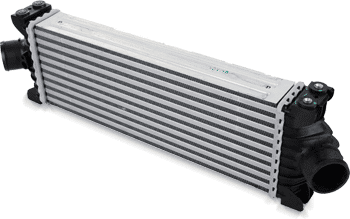
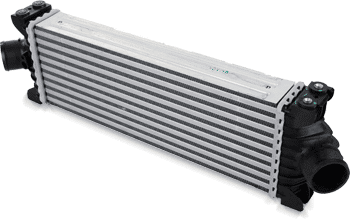
Similar search terms for NTY-CNG-CT-014-Intercooler
Top-Angebote
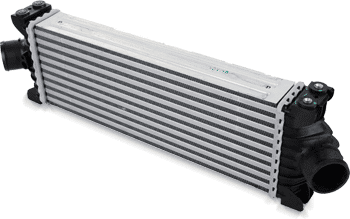
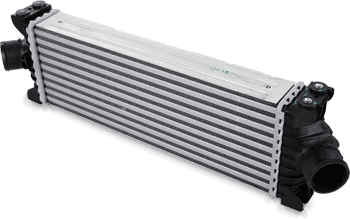
Products related to NTY-CNG-CT-014-Intercooler:


-
What does a large intercooler really bring?
A large intercooler brings improved cooling efficiency to the engine's intake air, resulting in increased power and performance. By reducing the temperature of the compressed air from the turbocharger, a large intercooler allows for a denser air charge to enter the engine, leading to more efficient combustion and higher horsepower output. Additionally, a large intercooler can help prevent heat soak and reduce the risk of engine knock, ultimately contributing to better overall engine reliability and longevity. **
-
What is better: LPG or CNG?
The choice between LPG (liquefied petroleum gas) and CNG (compressed natural gas) depends on various factors such as availability, cost, and efficiency. LPG is more widely available and can be used in a wider range of vehicles, but CNG is considered cleaner and more environmentally friendly. CNG also tends to be cheaper than LPG in many regions. Ultimately, the better option would depend on individual preferences and specific circumstances. **
-
How can a VW Golf 7 1.4 TSI be converted to natural gas (CNG)?
Converting a VW Golf 7 1.4 TSI to run on compressed natural gas (CNG) typically involves installing a CNG conversion kit. This kit includes a CNG storage tank, fuel lines, pressure regulator, and fuel injectors designed to work with natural gas. The existing fuel system is modified to accommodate the CNG components, and the vehicle's engine control unit (ECU) may need to be reprogrammed to optimize performance with CNG. It's important to have the conversion done by a qualified technician or at a certified CNG conversion center to ensure safety and compliance with regulations. **
-
Can you refuel CNG if diesel is available?
No, you cannot refuel a vehicle that runs on Compressed Natural Gas (CNG) with diesel fuel. CNG and diesel are two different types of fuel that require specific fueling systems and infrastructure. Attempting to refuel a CNG vehicle with diesel fuel can damage the engine and other components of the vehicle, leading to costly repairs. It is important to always use the correct type of fuel for your vehicle to ensure proper functioning and safety. **


What is the range of LPG and CNG cars?
The range of LPG (liquefied petroleum gas) cars can vary depending on the size of the LPG tank and the vehicle's fuel efficiency, but typically they can travel between 200-300 miles on a full tank. On the other hand, CNG (compressed natural gas) cars generally have a lower range compared to LPG cars, typically between 150-250 miles on a full tank. However, it's important to note that the range of both LPG and CNG cars can be affected by driving conditions, vehicle weight, and other factors. **
How does the refueling process with CNG fuel work?
The refueling process with CNG (Compressed Natural Gas) fuel involves connecting a nozzle from the refueling station to the vehicle's CNG tank. The nozzle is designed to create a seal with the vehicle's receptacle to prevent leaks. Once connected, the CNG is transferred from the station's storage tanks into the vehicle's tank under high pressure. The process is similar to filling up a gasoline or diesel vehicle, but with the use of compressed natural gas instead. Once the tank is filled, the nozzle is disconnected and the vehicle is ready to use the CNG fuel. **
Top-Angebote
Products related to NTY-CNG-CT-014-Intercooler:
-
Does every car have an intercooler?
No, not every car has an intercooler. Intercoolers are typically found in turbocharged or supercharged vehicles, where they are used to cool the compressed air before it enters the engine. Naturally aspirated engines, which do not use forced induction, do not require an intercooler. Additionally, some older or lower-performance turbocharged vehicles may not be equipped with an intercooler. **
-
Are CNG cars recommended?
CNG cars can be a good option for those looking to reduce their carbon footprint and save money on fuel costs. They produce fewer emissions compared to traditional gasoline-powered vehicles and can be more cost-effective in the long run. However, availability of CNG refueling stations may be limited in some areas, which can be a drawback for potential buyers. It's important to consider the availability of CNG refueling infrastructure in your area before deciding to purchase a CNG car. **
-
What does a large intercooler really bring?
A large intercooler brings improved cooling efficiency to the engine's intake air, resulting in increased power and performance. By reducing the temperature of the compressed air from the turbocharger, a large intercooler allows for a denser air charge to enter the engine, leading to more efficient combustion and higher horsepower output. Additionally, a large intercooler can help prevent heat soak and reduce the risk of engine knock, ultimately contributing to better overall engine reliability and longevity. **
-
What is better: LPG or CNG?
The choice between LPG (liquefied petroleum gas) and CNG (compressed natural gas) depends on various factors such as availability, cost, and efficiency. LPG is more widely available and can be used in a wider range of vehicles, but CNG is considered cleaner and more environmentally friendly. CNG also tends to be cheaper than LPG in many regions. Ultimately, the better option would depend on individual preferences and specific circumstances. **
Similar search terms for NTY-CNG-CT-014-Intercooler
-
How can a VW Golf 7 1.4 TSI be converted to natural gas (CNG)?
Converting a VW Golf 7 1.4 TSI to run on compressed natural gas (CNG) typically involves installing a CNG conversion kit. This kit includes a CNG storage tank, fuel lines, pressure regulator, and fuel injectors designed to work with natural gas. The existing fuel system is modified to accommodate the CNG components, and the vehicle's engine control unit (ECU) may need to be reprogrammed to optimize performance with CNG. It's important to have the conversion done by a qualified technician or at a certified CNG conversion center to ensure safety and compliance with regulations. **
-
Can you refuel CNG if diesel is available?
No, you cannot refuel a vehicle that runs on Compressed Natural Gas (CNG) with diesel fuel. CNG and diesel are two different types of fuel that require specific fueling systems and infrastructure. Attempting to refuel a CNG vehicle with diesel fuel can damage the engine and other components of the vehicle, leading to costly repairs. It is important to always use the correct type of fuel for your vehicle to ensure proper functioning and safety. **
-
What is the range of LPG and CNG cars?
The range of LPG (liquefied petroleum gas) cars can vary depending on the size of the LPG tank and the vehicle's fuel efficiency, but typically they can travel between 200-300 miles on a full tank. On the other hand, CNG (compressed natural gas) cars generally have a lower range compared to LPG cars, typically between 150-250 miles on a full tank. However, it's important to note that the range of both LPG and CNG cars can be affected by driving conditions, vehicle weight, and other factors. **
-
How does the refueling process with CNG fuel work?
The refueling process with CNG (Compressed Natural Gas) fuel involves connecting a nozzle from the refueling station to the vehicle's CNG tank. The nozzle is designed to create a seal with the vehicle's receptacle to prevent leaks. Once connected, the CNG is transferred from the station's storage tanks into the vehicle's tank under high pressure. The process is similar to filling up a gasoline or diesel vehicle, but with the use of compressed natural gas instead. Once the tank is filled, the nozzle is disconnected and the vehicle is ready to use the CNG fuel. **
* All prices are inclusive of VAT and, if applicable, plus shipping costs. The offer information is based on the details provided by the respective shop and is updated through automated processes. Real-time updates do not occur, so deviations can occur in individual cases. ** Note: Parts of this content were created by AI.