Buy herbshop85.com ?
We are moving the project
herbshop85.com .
Are you interested in purchasing the domain
herbshop85.com ?
domain@kv-gmbh.de · 0541-91531010
Buy herbshop85.com ?
Is organic seed, open-pollinated seeds, or F1 hybrid seeds used in organic vegetables?
Organic vegetables are typically grown using organic seeds, which are produced without synthetic pesticides or fertilizers. Open-pollinated seeds are commonly used in organic farming as they allow for natural pollination and seed saving. F1 hybrid seeds, on the other hand, are not as commonly used in organic vegetable production due to concerns about genetic modification and the reliance on specific breeding techniques. Overall, organic vegetables are often grown using organic and open-pollinated seeds to maintain the principles of organic farming. **
Are there organic lemons without seeds?
Yes, there are organic lemons that are seedless. Seedless lemons are a natural mutation that occurs in some lemon varieties. These seedless lemons are often referred to as "seedless Eureka lemons" and are typically grown organically. They are popular for their convenience and ease of use in cooking and baking. **

Similar search terms for Naturgreen-Ecological-Chki-Seeds
Top-Angebote
Products related to Naturgreen-Ecological-Chki-Seeds:
-
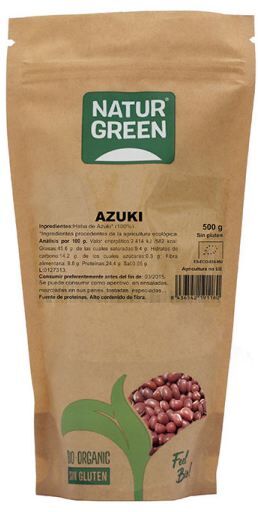
Naturgreen Ecological Azuki 500g 500 grNutrition and Supplements Cereals, Pasta and Legumes Naturgreen Ecological Azuki 500g 500 gr Naturgy's ecological Azuki is a sweeter legume than Jewish and very depurative. You can replace any legume in the recipes you elaborate on your day to day.2,77 £*Shipping: 3,99 £Secure redirect to the provider


-
What is the difference between ecological backpack, ecological balance, and ecological footprint?
The ecological backpack refers to the amount of natural resources and energy required to support an individual's lifestyle and consumption habits. Ecological balance refers to the state of equilibrium within an ecosystem, where the interactions between living organisms and their environment are stable and sustainable. Ecological footprint measures the impact of human activities on the environment by calculating the amount of biologically productive land and water required to sustain those activities. In summary, the ecological backpack focuses on individual consumption, ecological balance on the stability of ecosystems, and ecological footprint on the overall environmental impact of human activities. **
-
How can one grow organic hemp seeds?
To grow organic hemp seeds, start by selecting a suitable location with well-draining soil and plenty of sunlight. Plant the seeds directly into the soil or in pots, ensuring they are spaced adequately apart. Water the seeds regularly, but be careful not to overwater as hemp plants do not like soggy conditions. It is important to use organic fertilizers and pesticides to maintain the organic integrity of the crop. Harvest the seeds once they are mature and dry, typically around 100 days after planting. **
-
How can one cultivate organic hemp seeds?
To cultivate organic hemp seeds, one should start by selecting a suitable location with well-drained soil and plenty of sunlight. It's important to prepare the soil by removing any weeds and adding organic compost to improve fertility. Plant the hemp seeds at the right depth and spacing, and water them regularly, especially during the germination phase. It's crucial to avoid using synthetic pesticides, herbicides, or fertilizers to maintain the organic integrity of the crop. Finally, regular monitoring for pests and diseases, as well as proper harvesting and drying techniques, will help ensure a successful organic hemp seed cultivation. **
-
Can I grow a plant from organic hemp seeds?
Yes, you can grow a plant from organic hemp seeds. Hemp seeds are a good source of protein, healthy fats, and fiber, and they can be used to grow hemp plants for various purposes, including for their seeds, oil, and fiber. When planting hemp seeds, it's important to ensure that the soil is well-draining and that the plants receive plenty of sunlight. Additionally, it's important to check local regulations and obtain any necessary permits before growing hemp plants. **

What are ecological standards?
Ecological standards are guidelines and criteria that are set to ensure that human activities and products are environmentally friendly and sustainable. These standards aim to minimize negative impacts on ecosystems and biodiversity, promote conservation of natural resources, and reduce pollution and waste. By adhering to ecological standards, businesses, industries, and individuals can help protect the environment and contribute to a more sustainable future. **
What are ecological problems?
Ecological problems are issues that arise from the disruption of the natural balance and functioning of ecosystems. These problems can include habitat destruction, pollution, climate change, deforestation, loss of biodiversity, and overexploitation of natural resources. Ecological problems can have far-reaching impacts on the environment, wildlife, and human populations, leading to negative consequences such as species extinction, water and air pollution, and disruptions to the food chain. Addressing these problems requires a holistic approach that considers the interconnectedness of all living organisms and their environments. **
Top-Angebote
Products related to Naturgreen-Ecological-Chki-Seeds:
-
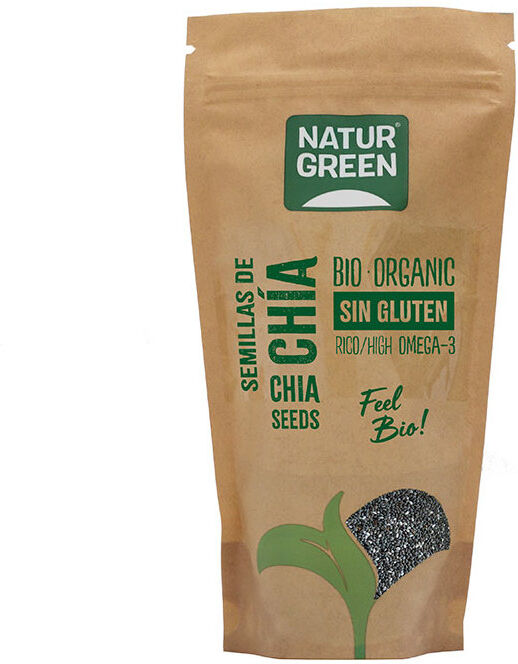
Naturgreen Ecological Chki Seeds 500gNutrition and Supplements Nuts and Seeds Naturgreen Ecological Chki Seeds 500g Naturbreen's 500g ecological chia seeds are rich in fiber and healthy fatty acids omega 3. resulting in an ideal food for chopping between hours.4,75 £*Shipping: 4,99 £Secure redirect to the provider
-
Naturgreen Ecological Chki Seeds 250 gNutrition and Supplements Nuts and Seeds Naturgreen Ecological Chki Seeds 250 g Naturbreen's ecological chia seeds are rich in fiber and healthy fatty acids Omega 3. resulting in an ideal food for chopping between hours.2,47 £*Shipping: 3,99 £Secure redirect to the provider
-
Is organic seed, open-pollinated seeds, or F1 hybrid seeds used in organic vegetables?
Organic vegetables are typically grown using organic seeds, which are produced without synthetic pesticides or fertilizers. Open-pollinated seeds are commonly used in organic farming as they allow for natural pollination and seed saving. F1 hybrid seeds, on the other hand, are not as commonly used in organic vegetable production due to concerns about genetic modification and the reliance on specific breeding techniques. Overall, organic vegetables are often grown using organic and open-pollinated seeds to maintain the principles of organic farming. **
-
Are there organic lemons without seeds?
Yes, there are organic lemons that are seedless. Seedless lemons are a natural mutation that occurs in some lemon varieties. These seedless lemons are often referred to as "seedless Eureka lemons" and are typically grown organically. They are popular for their convenience and ease of use in cooking and baking. **
-
What is the difference between ecological backpack, ecological balance, and ecological footprint?
The ecological backpack refers to the amount of natural resources and energy required to support an individual's lifestyle and consumption habits. Ecological balance refers to the state of equilibrium within an ecosystem, where the interactions between living organisms and their environment are stable and sustainable. Ecological footprint measures the impact of human activities on the environment by calculating the amount of biologically productive land and water required to sustain those activities. In summary, the ecological backpack focuses on individual consumption, ecological balance on the stability of ecosystems, and ecological footprint on the overall environmental impact of human activities. **
-
How can one grow organic hemp seeds?
To grow organic hemp seeds, start by selecting a suitable location with well-draining soil and plenty of sunlight. Plant the seeds directly into the soil or in pots, ensuring they are spaced adequately apart. Water the seeds regularly, but be careful not to overwater as hemp plants do not like soggy conditions. It is important to use organic fertilizers and pesticides to maintain the organic integrity of the crop. Harvest the seeds once they are mature and dry, typically around 100 days after planting. **
Similar search terms for Naturgreen-Ecological-Chki-Seeds
-
Naturgreen Ecological Azuki 500g 500 grNutrition and Supplements Cereals, Pasta and Legumes Naturgreen Ecological Azuki 500g 500 gr Naturgy's ecological Azuki is a sweeter legume than Jewish and very depurative. You can replace any legume in the recipes you elaborate on your day to day.2,77 £*Shipping: 3,99 £Secure redirect to the provider
-
How can one cultivate organic hemp seeds?
To cultivate organic hemp seeds, one should start by selecting a suitable location with well-drained soil and plenty of sunlight. It's important to prepare the soil by removing any weeds and adding organic compost to improve fertility. Plant the hemp seeds at the right depth and spacing, and water them regularly, especially during the germination phase. It's crucial to avoid using synthetic pesticides, herbicides, or fertilizers to maintain the organic integrity of the crop. Finally, regular monitoring for pests and diseases, as well as proper harvesting and drying techniques, will help ensure a successful organic hemp seed cultivation. **
-
Can I grow a plant from organic hemp seeds?
Yes, you can grow a plant from organic hemp seeds. Hemp seeds are a good source of protein, healthy fats, and fiber, and they can be used to grow hemp plants for various purposes, including for their seeds, oil, and fiber. When planting hemp seeds, it's important to ensure that the soil is well-draining and that the plants receive plenty of sunlight. Additionally, it's important to check local regulations and obtain any necessary permits before growing hemp plants. **
-
What are ecological standards?
Ecological standards are guidelines and criteria that are set to ensure that human activities and products are environmentally friendly and sustainable. These standards aim to minimize negative impacts on ecosystems and biodiversity, promote conservation of natural resources, and reduce pollution and waste. By adhering to ecological standards, businesses, industries, and individuals can help protect the environment and contribute to a more sustainable future. **
-
What are ecological problems?
Ecological problems are issues that arise from the disruption of the natural balance and functioning of ecosystems. These problems can include habitat destruction, pollution, climate change, deforestation, loss of biodiversity, and overexploitation of natural resources. Ecological problems can have far-reaching impacts on the environment, wildlife, and human populations, leading to negative consequences such as species extinction, water and air pollution, and disruptions to the food chain. Addressing these problems requires a holistic approach that considers the interconnectedness of all living organisms and their environments. **
* All prices are inclusive of VAT and, if applicable, plus shipping costs. The offer information is based on the details provided by the respective shop and is updated through automated processes. Real-time updates do not occur, so deviations can occur in individual cases. ** Note: Parts of this content were created by AI.