Buy herbshop85.com ?
We are moving the project
herbshop85.com .
Are you interested in purchasing the domain
herbshop85.com ?
domain@kv-gmbh.de · 0541-91531010
Buy herbshop85.com ?
Why does organic milk taste different from conventional milk?
Organic milk tastes different from conventional milk because of the differences in the cows' diets and living conditions. Organic cows are typically pasture-raised and fed organic feed, which can result in a richer and more complex flavor profile in the milk. Additionally, organic milk is often minimally processed, retaining more of its natural flavors compared to conventional milk, which may undergo more processing and additives. Overall, the organic farming practices contribute to a different taste experience in organic milk. **
Why does organic milk taste different than conventional milk?
Organic milk tastes different than conventional milk because of the cows' diet. Organic cows are typically grass-fed, which can result in a richer and more complex flavor profile in the milk. Additionally, organic milk is often processed differently, with minimal additives or processing, which can also contribute to its distinct taste. The absence of synthetic hormones and antibiotics in organic milk can also impact its taste compared to conventional milk. **

Similar search terms for Nutribén-Innova-3-Milk
Top-Angebote
Products related to Nutribén-Innova-3-Milk:
-
Nutribén Innova 2 Milk From 6 Months 800g 6 MonthsA skin-care product. Support your baby’s growth and immunity with Innova 2 Milk, the only formula featuring the BPL1 paraprobiotic for a healthy gut. Advanced nutrition for growing milestones. Unique BPL1 paraprobiotic fosters a protective gut microbiota. Low protein content and renal load for optimal baby health.28,92 £*Shipping: 15,83 £Secure redirect to the provider
-
Nutribén A.R.1 Milk Since Birth 800g Since BirthA skin-care product. Enriched with a-lactoalbumin for low protein content and gentle digestion. Unique 40:60 casein-to-whey ratio for optimal gastric emptying. Contains nucleotides to support immune system and gut maturation. Includes GOS (prebiotics) for a healthy intestinal flora and improved digestion.31,53 £*Shipping: 15,83 £Secure redirect to the provider
-
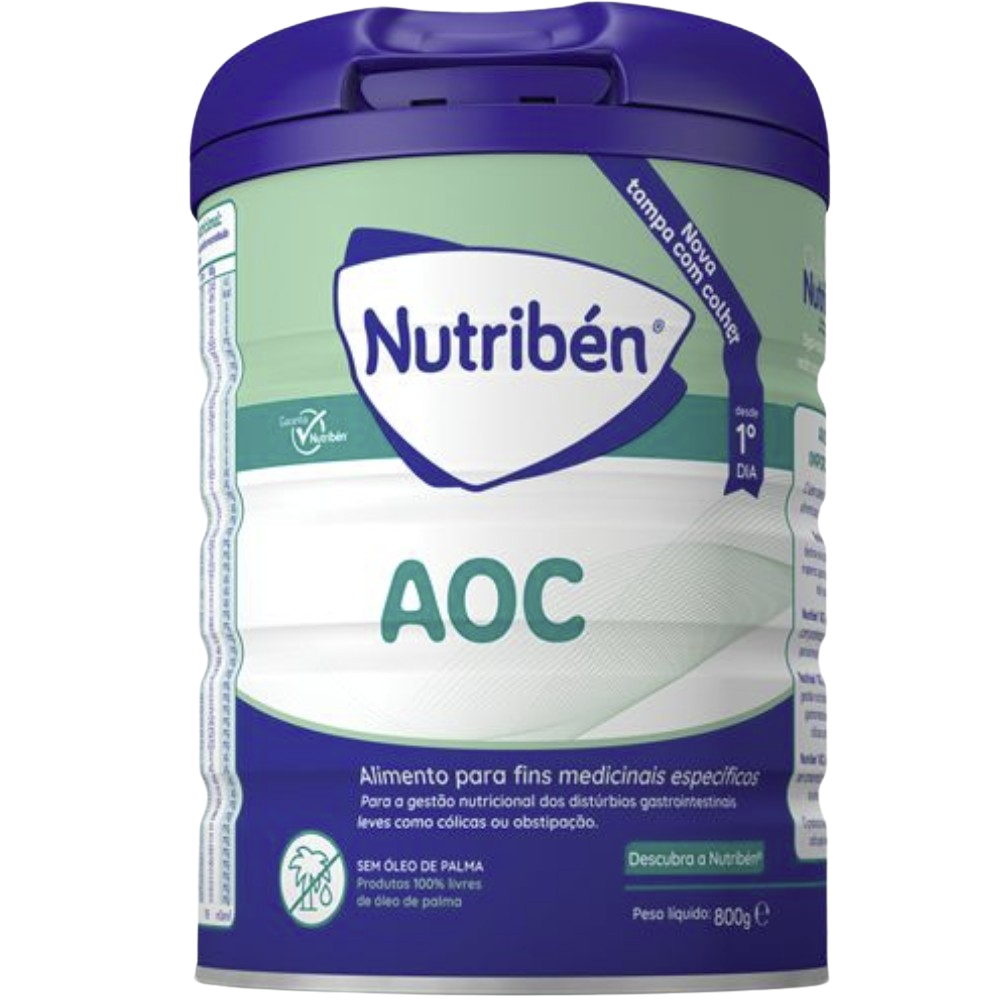
Nutribén AOC Milk for Cramps and Constipation 800g Since BirthA skin-care product. Partially hydrolyzed whey proteins for easy digestion. 20% Medium-Chain Triglycerides (MCTs) to support energy and absorption. 100% GOS prebiotics for gut health and natural digestion. Palm oil-free for a safer, healthier choice. AOC Milk is specially formulated to relieve cramps and constipation in newborns.29,99 £*Shipping: 15,83 £Secure redirect to the provider
-
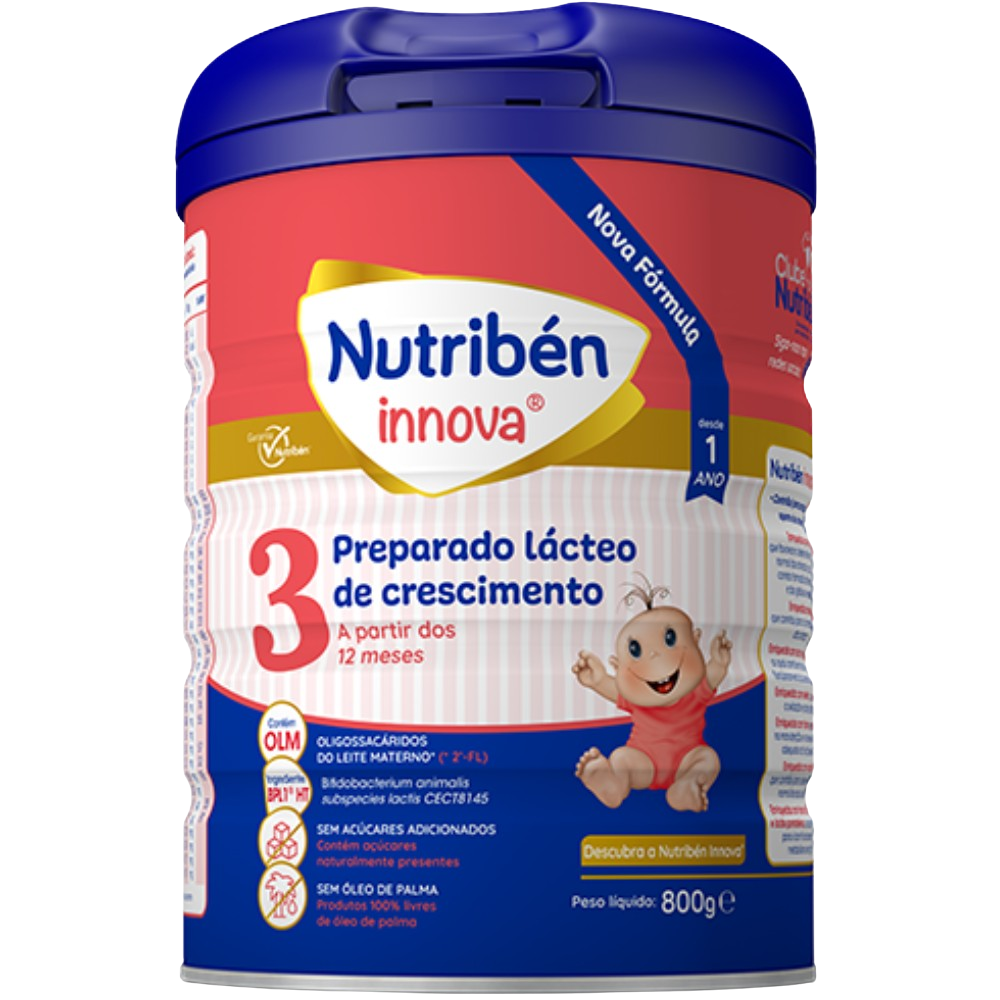
Nutribén Innova 3 Milk From 12 Months 800g 12 MonthsA skin-care product. Advanced nutrition for growing toddlers. Low renal load, ideal for toddlers’ delicate systems. Enriched with essential vitamins and minerals for comprehensive growth. Contains a-linolenic acid and linoleic acid to support growth and development. No added sucrose and palm oil-free for natural, clean nutrition.26,65 £*Shipping: 15,83 £Secure redirect to the provider



-
How does organic milk taste?
Organic milk is often described as having a richer and creamier taste compared to conventional milk. It is also said to have a fresher and more natural flavor, with some people noting a slightly sweeter taste. Overall, organic milk is known for its high quality and delicious taste, making it a popular choice for those seeking a more wholesome dairy option. **
-
Has the milk expired for 3 days?
Yes, if the milk has been expired for 3 days, it is no longer safe to consume. Consuming expired milk can lead to food poisoning and other health risks. It is important to always check the expiration date on dairy products and discard them if they are past their expiration date. **
-
What is the difference between organic milk and regular milk from Milbona (Lidl)?
The main difference between organic milk and regular milk from Milbona (Lidl) lies in the production methods. Organic milk is produced from cows that are raised on organic farms and are fed organic feed without the use of synthetic pesticides, herbicides, or genetically modified organisms. Regular milk, on the other hand, may come from cows that are raised conventionally and may be fed non-organic feed and treated with synthetic chemicals. Additionally, organic milk is produced without the use of antibiotics or synthetic hormones, while regular milk may contain traces of these substances. **
-
Is low-fat milk organic and environmentally friendly?
Low-fat milk can be organic if it is produced without the use of synthetic pesticides, fertilizers, or genetically modified organisms. Organic farming practices are generally more environmentally friendly as they promote soil health, biodiversity, and water conservation. However, the environmental impact of any dairy product, including low-fat milk, also depends on factors such as transportation, packaging, and waste management. It is important to look for certifications such as USDA Organic or other reputable organic certifications to ensure that the low-fat milk you choose is both organic and environmentally friendly. **


How much milk is needed for 3 tablespoons of semolina?
Typically, for every 1 tablespoon of semolina, you would need around 1/2 cup of milk. Therefore, for 3 tablespoons of semolina, you would need approximately 1 1/2 cups of milk. This ratio ensures that the semolina cooks properly and reaches the desired consistency. Adjust the amount of milk based on your preference for the thickness of the final dish. **
Why doesn't the 3-month-old baby want milk anymore?
At around 3 months old, babies may start to show signs of decreased interest in milk due to various reasons. One common reason is that they may be going through a growth spurt and are more interested in exploring their surroundings and developing new skills. Additionally, they may be teething, which can cause discomfort and make them less interested in feeding. It's also possible that they are simply not as hungry as before due to their changing nutritional needs as they grow. It's important for parents to monitor their baby's overall feeding patterns and consult with a pediatrician if they have concerns about their baby's feeding habits. **
Top-Angebote
Products related to Nutribén-Innova-3-Milk:
-
Nutribén Innova 3 Milk From 12 Months 800g 12 MonthsA skin-care product. Advanced nutrition for growing toddlers. Low renal load, ideal for toddlers’ delicate systems. Enriched with essential vitamins and minerals for comprehensive growth. Contains a-linolenic acid and linoleic acid to support growth and development. No added sucrose and palm oil-free for natural, clean nutrition.26,65 £*Shipping: 15,83 £Secure redirect to the provider
-
Nutribén Innova 2 Milk From 6 Months 800g 6 MonthsA skin-care product. Support your baby’s growth and immunity with Innova 2 Milk, the only formula featuring the BPL1 paraprobiotic for a healthy gut. Advanced nutrition for growing milestones. Unique BPL1 paraprobiotic fosters a protective gut microbiota. Low protein content and renal load for optimal baby health.28,92 £*Shipping: 15,83 £Secure redirect to the provider
-
Nutribén A.R.1 Milk Since Birth 800g Since BirthA skin-care product. Enriched with a-lactoalbumin for low protein content and gentle digestion. Unique 40:60 casein-to-whey ratio for optimal gastric emptying. Contains nucleotides to support immune system and gut maturation. Includes GOS (prebiotics) for a healthy intestinal flora and improved digestion.31,53 £*Shipping: 15,83 £Secure redirect to the provider
-
Why does organic milk taste different from conventional milk?
Organic milk tastes different from conventional milk because of the differences in the cows' diets and living conditions. Organic cows are typically pasture-raised and fed organic feed, which can result in a richer and more complex flavor profile in the milk. Additionally, organic milk is often minimally processed, retaining more of its natural flavors compared to conventional milk, which may undergo more processing and additives. Overall, the organic farming practices contribute to a different taste experience in organic milk. **
-
Why does organic milk taste different than conventional milk?
Organic milk tastes different than conventional milk because of the cows' diet. Organic cows are typically grass-fed, which can result in a richer and more complex flavor profile in the milk. Additionally, organic milk is often processed differently, with minimal additives or processing, which can also contribute to its distinct taste. The absence of synthetic hormones and antibiotics in organic milk can also impact its taste compared to conventional milk. **
-
How does organic milk taste?
Organic milk is often described as having a richer and creamier taste compared to conventional milk. It is also said to have a fresher and more natural flavor, with some people noting a slightly sweeter taste. Overall, organic milk is known for its high quality and delicious taste, making it a popular choice for those seeking a more wholesome dairy option. **
-
Has the milk expired for 3 days?
Yes, if the milk has been expired for 3 days, it is no longer safe to consume. Consuming expired milk can lead to food poisoning and other health risks. It is important to always check the expiration date on dairy products and discard them if they are past their expiration date. **
Similar search terms for Nutribén-Innova-3-Milk
-
Nutribén AOC Milk for Cramps and Constipation 800g Since BirthA skin-care product. Partially hydrolyzed whey proteins for easy digestion. 20% Medium-Chain Triglycerides (MCTs) to support energy and absorption. 100% GOS prebiotics for gut health and natural digestion. Palm oil-free for a safer, healthier choice. AOC Milk is specially formulated to relieve cramps and constipation in newborns.29,99 £*Shipping: 15,83 £Secure redirect to the provider
-
Nutribén Innova 3 Milk From 12 Months 800g 12 MonthsA skin-care product. Advanced nutrition for growing toddlers. Low renal load, ideal for toddlers’ delicate systems. Enriched with essential vitamins and minerals for comprehensive growth. Contains a-linolenic acid and linoleic acid to support growth and development. No added sucrose and palm oil-free for natural, clean nutrition.26,65 £*Shipping: 15,83 £Secure redirect to the provider
-
Nutribén Innova 2 Milk From 6 Months 800g 6 MonthsA skin-care product. Support your baby’s growth and immunity with Innova 2 Milk, the only formula featuring the BPL1 paraprobiotic for a healthy gut. Advanced nutrition for growing milestones. Unique BPL1 paraprobiotic fosters a protective gut microbiota. Low protein content and renal load for optimal baby health.28,92 £*Shipping: 15,83 £Secure redirect to the provider
-
What is the difference between organic milk and regular milk from Milbona (Lidl)?
The main difference between organic milk and regular milk from Milbona (Lidl) lies in the production methods. Organic milk is produced from cows that are raised on organic farms and are fed organic feed without the use of synthetic pesticides, herbicides, or genetically modified organisms. Regular milk, on the other hand, may come from cows that are raised conventionally and may be fed non-organic feed and treated with synthetic chemicals. Additionally, organic milk is produced without the use of antibiotics or synthetic hormones, while regular milk may contain traces of these substances. **
-
Is low-fat milk organic and environmentally friendly?
Low-fat milk can be organic if it is produced without the use of synthetic pesticides, fertilizers, or genetically modified organisms. Organic farming practices are generally more environmentally friendly as they promote soil health, biodiversity, and water conservation. However, the environmental impact of any dairy product, including low-fat milk, also depends on factors such as transportation, packaging, and waste management. It is important to look for certifications such as USDA Organic or other reputable organic certifications to ensure that the low-fat milk you choose is both organic and environmentally friendly. **
-
How much milk is needed for 3 tablespoons of semolina?
Typically, for every 1 tablespoon of semolina, you would need around 1/2 cup of milk. Therefore, for 3 tablespoons of semolina, you would need approximately 1 1/2 cups of milk. This ratio ensures that the semolina cooks properly and reaches the desired consistency. Adjust the amount of milk based on your preference for the thickness of the final dish. **
-
Why doesn't the 3-month-old baby want milk anymore?
At around 3 months old, babies may start to show signs of decreased interest in milk due to various reasons. One common reason is that they may be going through a growth spurt and are more interested in exploring their surroundings and developing new skills. Additionally, they may be teething, which can cause discomfort and make them less interested in feeding. It's also possible that they are simply not as hungry as before due to their changing nutritional needs as they grow. It's important for parents to monitor their baby's overall feeding patterns and consult with a pediatrician if they have concerns about their baby's feeding habits. **
* All prices are inclusive of VAT and, if applicable, plus shipping costs. The offer information is based on the details provided by the respective shop and is updated through automated processes. Real-time updates do not occur, so deviations can occur in individual cases. ** Note: Parts of this content were created by AI.