Buy herbshop85.com ?
We are moving the project
herbshop85.com .
Are you interested in purchasing the domain
herbshop85.com ?
domain@kv-gmbh.de · 0541-91531010
Buy herbshop85.com ?
Why is the autonomic nervous system also referred to as a separate nervous system?
The autonomic nervous system is referred to as a separate nervous system because it functions independently from the somatic nervous system, which controls voluntary movements. The autonomic nervous system regulates involuntary bodily functions such as heart rate, digestion, and respiratory rate. It is responsible for maintaining homeostasis and responding to internal and external stimuli without conscious effort. This separation allows the autonomic nervous system to carry out its functions without direct control from the conscious mind. **
Which diseases affect the nervous system?
Several diseases can affect the nervous system, including Alzheimer's disease, Parkinson's disease, multiple sclerosis, epilepsy, and stroke. These conditions can cause a range of symptoms, such as memory loss, movement difficulties, sensory disturbances, and cognitive impairment. Treatment for these diseases often involves a combination of medication, therapy, and lifestyle changes to manage symptoms and improve quality of life. **

Similar search terms for Vermilion-The-Nervous-System
Top-Angebote
Products related to Vermilion-The-Nervous-System:
-
When the Body Says Stop : Your Nervous System Knows Before You Do by Mae LarkinDescription. Title in the Set:. When The Body Says Stop : Your Nervous System Knows Before You Do by Mae Larkin. Condition:BRAND NEW. Format:Paperback. ISBN:9789370038363. When The Body Says Stop : Your Nervous System Knows Before You Do :. You said yes too many times. You pushed past exhaustion. And now your body’s raising its hand, whispering: enough. When the Body Says Stop is a reckoning with the physical cost of ignoring your limits. It’s not just fatigue. It’s language. Headaches, tight shoulders, sudden tears—all trying to speak before you crash. This book gently walks you back to yourself, one boundary at a time. Rest isn’t laziness. Slowness isn’t weakness. They’re medicine. Your body isn’t betraying you. It’s protecting you. Listen. Respond. Begin again—softer, slower, and more in tune than ever.. Title. When the Body Says Stop : Your Nervous System Knows Before You Do by Mae Larkin. Delivery. Content. Reviews2,99 £*Shipping: 2,99 £Secure redirect to the provider
-
Rupa Publications When the Body Says Stop: Your Nervous System Knows Before You Do by Mae Larkin - Paperback Self-Help Book on Stress, Boundaries & Burnout RecoveryWhen the Body Says Stop is a practical guide for readers who have spent years overriding their own limits. Mae Larkin speaks directly to anyone who has ignored headaches, tight shoulders, or sudden exhaustion while pushing through work, caregiving, or constant digital demands. This book reframes rest as essential maintenance rather than weakness, showing how the nervous system signals strain long before burnout hits. It is a compassionate, evidence-informed companion for anyone ready to rebuild a sustainable rhythm and listen to what their body has been trying to say all along. The book blends accessible science with relatable, lived scenarios, helping readers recognise how chronic stress keeps the body in a state of constant alert.2,99 £*Shipping: 2,99 £Secure redirect to the provider


-
What is the vegetative nervous system?
The vegetative nervous system, also known as the autonomic nervous system, is responsible for regulating involuntary bodily functions such as heart rate, digestion, respiratory rate, and blood pressure. It consists of two main divisions: the sympathetic nervous system, which is responsible for the body's "fight or flight" response, and the parasympathetic nervous system, which is responsible for the body's "rest and digest" response. These two divisions work together to maintain the body's internal balance and respond to changes in the external environment. **
-
How does the autonomic nervous system work?
The autonomic nervous system controls involuntary bodily functions such as heart rate, digestion, and breathing. It is divided into two branches: the sympathetic nervous system, which activates the body's fight-or-flight response in times of stress, and the parasympathetic nervous system, which promotes relaxation and rest. These two branches work in opposition to maintain homeostasis in the body. The autonomic nervous system operates largely unconsciously, responding to signals from the brain and sensory organs to regulate various bodily functions. **
-
What does the autonomic nervous system do?
The autonomic nervous system controls involuntary bodily functions such as heart rate, digestion, respiratory rate, and blood pressure. It regulates these functions to maintain homeostasis and respond to changes in the internal and external environment. The autonomic nervous system has two main divisions - the sympathetic and parasympathetic nervous systems, which work together to balance and coordinate the body's physiological processes. Overall, the autonomic nervous system plays a crucial role in ensuring the body functions properly without conscious effort. **
-
What is the nervous system in biology?
The nervous system is a complex network of nerves and cells that transmit signals between different parts of the body. It is responsible for coordinating and controlling the body's activities, including movement, sensation, and thought. The nervous system is divided into the central nervous system, which includes the brain and spinal cord, and the peripheral nervous system, which includes all the nerves outside of the central nervous system. Overall, the nervous system plays a crucial role in allowing organisms to respond to their environment and maintain homeostasis. **


Is our nervous system our subconscious?
Our nervous system is not the same as our subconscious. The nervous system is a complex network of nerves and cells that transmit signals between different parts of the body, while the subconscious refers to the part of our mind that operates below our conscious awareness. The nervous system plays a role in both conscious and subconscious processes, but they are distinct aspects of our physiology and psychology. **
What is the difference between the nervous system and the endocrine system?
The nervous system is a network of specialized cells called neurons that transmit signals between different parts of the body. It is responsible for rapid, short-term responses to stimuli. In contrast, the endocrine system is made up of glands that produce and secrete hormones into the bloodstream to regulate various bodily functions over a longer period of time. While the nervous system uses electrical impulses for communication, the endocrine system uses chemical messengers (hormones) to relay information. **
Top-Angebote
Products related to Vermilion-The-Nervous-System:
-
Vermilion The Nervous System Workbook: Practical Exercises to Ease Anxiety, Find Safety and Come Home to Yourself Using Polyvagal TheoryThe Nervous System Workbook: Practical Exercises to Ease Anxiety, Find Safety and Come Home to Yourself Using Polyvagal Theory16,99 £*Shipping: 2,99 £Secure redirect to the provider
-
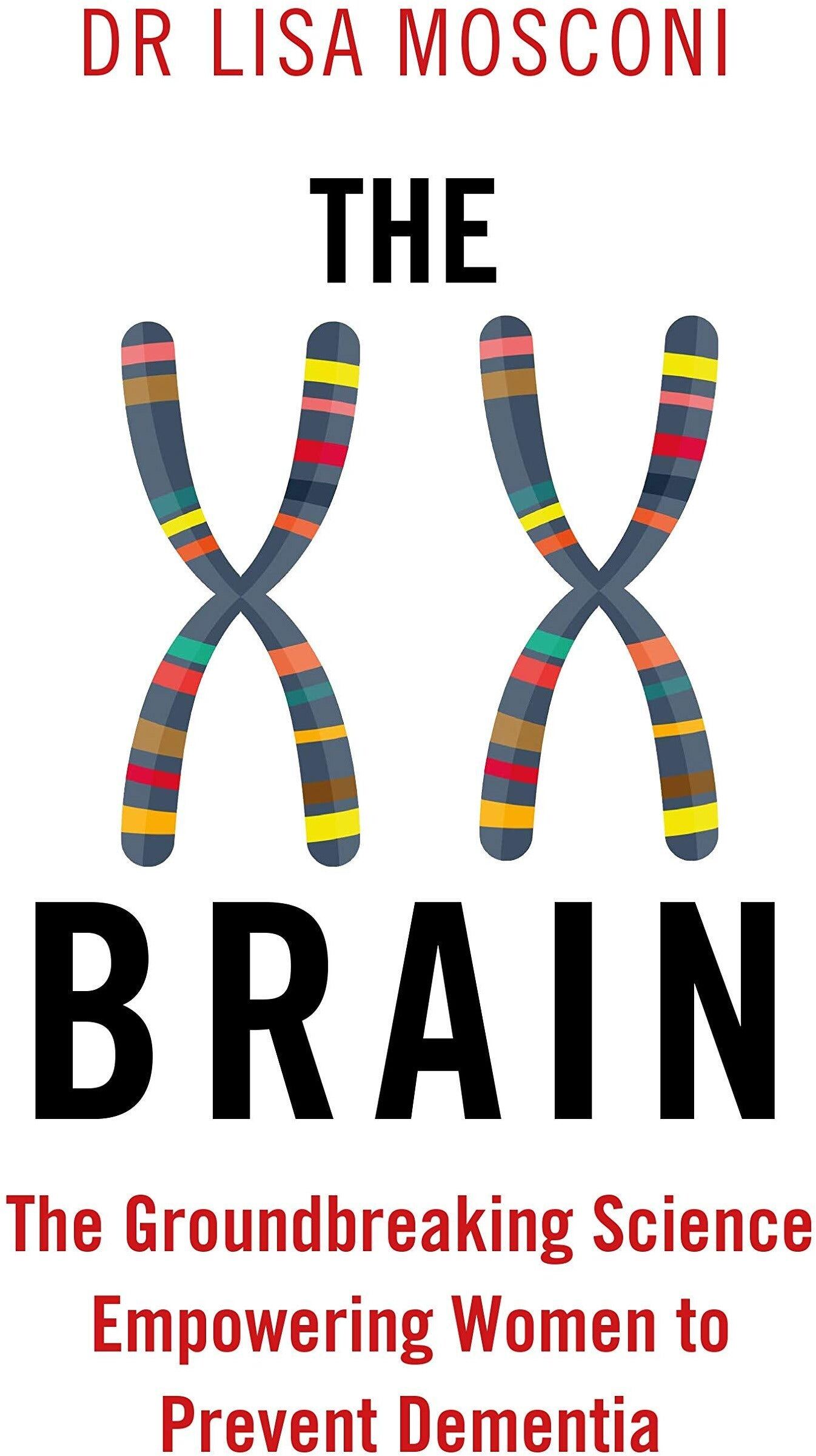
Allen & Unwin The XX Brain, Lisa Mosconi, Nervous System, Brain ScienceThe XX Brain, Lisa Mosconi, Nervous System, Brain Science Women are far more likely than men to suffer from anxiety, depression, migraines, brain injuries, strokes and Alzheimer's disease. But, until recently, scientific research has focused on 'bikini medicine,' assuming that women are essentially men with different reproductive organs. The XX Brain presents groundbreaking research showing that women's brains age distinctly from men's, due mostly to the decline of a key brain-protective hormone: estrogen. Taking on all aspects of women's health, including brain fog, memory lapses, depression, stress, insomnia, hormonal imbalances and the increased risk of dementia, Dr. Mosconi introduces cutting-edge, evidence-based methods for protecting the female brain, encompassing diet, stress reduction and sleep. She also examines the effectiveness of hormonal replacement therapy, addresses the perils of environmental toxins and explores the role of our microbiome. Luckily, it is never too late to take care of yourself2,59 £*Shipping: 1,99 £Secure redirect to the provider
-
When the Body Says Stop : Your Nervous System Knows Before You Do by Mae LarkinDescription. Title in the Set:. When The Body Says Stop : Your Nervous System Knows Before You Do by Mae Larkin. Condition:BRAND NEW. Format:Paperback. ISBN:9789370038363. When The Body Says Stop : Your Nervous System Knows Before You Do :. You said yes too many times. You pushed past exhaustion. And now your body’s raising its hand, whispering: enough. When the Body Says Stop is a reckoning with the physical cost of ignoring your limits. It’s not just fatigue. It’s language. Headaches, tight shoulders, sudden tears—all trying to speak before you crash. This book gently walks you back to yourself, one boundary at a time. Rest isn’t laziness. Slowness isn’t weakness. They’re medicine. Your body isn’t betraying you. It’s protecting you. Listen. Respond. Begin again—softer, slower, and more in tune than ever.. Title. When the Body Says Stop : Your Nervous System Knows Before You Do by Mae Larkin. Delivery. Content. Reviews2,99 £*Shipping: 2,99 £Secure redirect to the provider
-
Why is the autonomic nervous system also referred to as a separate nervous system?
The autonomic nervous system is referred to as a separate nervous system because it functions independently from the somatic nervous system, which controls voluntary movements. The autonomic nervous system regulates involuntary bodily functions such as heart rate, digestion, and respiratory rate. It is responsible for maintaining homeostasis and responding to internal and external stimuli without conscious effort. This separation allows the autonomic nervous system to carry out its functions without direct control from the conscious mind. **
-
Which diseases affect the nervous system?
Several diseases can affect the nervous system, including Alzheimer's disease, Parkinson's disease, multiple sclerosis, epilepsy, and stroke. These conditions can cause a range of symptoms, such as memory loss, movement difficulties, sensory disturbances, and cognitive impairment. Treatment for these diseases often involves a combination of medication, therapy, and lifestyle changes to manage symptoms and improve quality of life. **
-
What is the vegetative nervous system?
The vegetative nervous system, also known as the autonomic nervous system, is responsible for regulating involuntary bodily functions such as heart rate, digestion, respiratory rate, and blood pressure. It consists of two main divisions: the sympathetic nervous system, which is responsible for the body's "fight or flight" response, and the parasympathetic nervous system, which is responsible for the body's "rest and digest" response. These two divisions work together to maintain the body's internal balance and respond to changes in the external environment. **
-
How does the autonomic nervous system work?
The autonomic nervous system controls involuntary bodily functions such as heart rate, digestion, and breathing. It is divided into two branches: the sympathetic nervous system, which activates the body's fight-or-flight response in times of stress, and the parasympathetic nervous system, which promotes relaxation and rest. These two branches work in opposition to maintain homeostasis in the body. The autonomic nervous system operates largely unconsciously, responding to signals from the brain and sensory organs to regulate various bodily functions. **
Similar search terms for Vermilion-The-Nervous-System
-
Rupa Publications When the Body Says Stop: Your Nervous System Knows Before You Do by Mae Larkin - Paperback Self-Help Book on Stress, Boundaries & Burnout RecoveryWhen the Body Says Stop is a practical guide for readers who have spent years overriding their own limits. Mae Larkin speaks directly to anyone who has ignored headaches, tight shoulders, or sudden exhaustion while pushing through work, caregiving, or constant digital demands. This book reframes rest as essential maintenance rather than weakness, showing how the nervous system signals strain long before burnout hits. It is a compassionate, evidence-informed companion for anyone ready to rebuild a sustainable rhythm and listen to what their body has been trying to say all along. The book blends accessible science with relatable, lived scenarios, helping readers recognise how chronic stress keeps the body in a state of constant alert.2,99 £*Shipping: 2,99 £Secure redirect to the provider
-
Matt Haig Collection 3 Books Set (The Life Impossible, Notes on a Nervous Planet & The Humans)Description. Condition: BRAND NEW. Format: Paperback. The Life Impossible:. When retired Maths teacher Grace Winters is left a run-down house on a Mediterranean island by a long-lost friend, curiosity gets the better of her. She arrives in Ibiza with a one-way ticket, no guidebook and no plan.Among the rugged hills and golden beaches of the Balearics Grace searches for answers about her friend's life, and how it ended. What she uncovers is stranger than she could have dreamed.. Notes on a Nervous Planet:. The world is messing with our minds. What if there was something we could do about it? Looking at sleep, news, social media, addiction, work and play, Matt Haig invites us to feel calmer, happier and to question the habits of the digital age. This book might even change the way you spend your precious time on earth.. The Humans:. After an 'incident' one wet Friday night where he is found walking naked through the streets of Cambridge, Professor Andrew Martin is not feeling quite himself. Food sickens him. Clothes confound him. Even his loving wife and teenage son are repulsive to him. He feels lost amongst an alien species and hates everyone on the planet. Everyone, that is, except Newton, and he's a dog.. Title. Matt Haig Collection 3 Books Set (The Life Impossible, Notes on a Nervous Planet & The Humans). Delivery. Content. Reviews22,99 £*Shipping: 2,99 £Secure redirect to the provider
-
What does the autonomic nervous system do?
The autonomic nervous system controls involuntary bodily functions such as heart rate, digestion, respiratory rate, and blood pressure. It regulates these functions to maintain homeostasis and respond to changes in the internal and external environment. The autonomic nervous system has two main divisions - the sympathetic and parasympathetic nervous systems, which work together to balance and coordinate the body's physiological processes. Overall, the autonomic nervous system plays a crucial role in ensuring the body functions properly without conscious effort. **
-
What is the nervous system in biology?
The nervous system is a complex network of nerves and cells that transmit signals between different parts of the body. It is responsible for coordinating and controlling the body's activities, including movement, sensation, and thought. The nervous system is divided into the central nervous system, which includes the brain and spinal cord, and the peripheral nervous system, which includes all the nerves outside of the central nervous system. Overall, the nervous system plays a crucial role in allowing organisms to respond to their environment and maintain homeostasis. **
-
Is our nervous system our subconscious?
Our nervous system is not the same as our subconscious. The nervous system is a complex network of nerves and cells that transmit signals between different parts of the body, while the subconscious refers to the part of our mind that operates below our conscious awareness. The nervous system plays a role in both conscious and subconscious processes, but they are distinct aspects of our physiology and psychology. **
-
What is the difference between the nervous system and the endocrine system?
The nervous system is a network of specialized cells called neurons that transmit signals between different parts of the body. It is responsible for rapid, short-term responses to stimuli. In contrast, the endocrine system is made up of glands that produce and secrete hormones into the bloodstream to regulate various bodily functions over a longer period of time. While the nervous system uses electrical impulses for communication, the endocrine system uses chemical messengers (hormones) to relay information. **
* All prices are inclusive of VAT and, if applicable, plus shipping costs. The offer information is based on the details provided by the respective shop and is updated through automated processes. Real-time updates do not occur, so deviations can occur in individual cases. ** Note: Parts of this content were created by AI.