Buy herbshop85.com ?
We are moving the project
herbshop85.com .
Are you interested in purchasing the domain
herbshop85.com ?
domain@kv-gmbh.de · 0541-91531010
Buy herbshop85.com ?
Why do so many Dutch people have "Van" or "Von" in their name?
Many Dutch surnames include "Van" or "Von" as a prefix because it means "from" or "of" in Dutch. This was historically used to indicate a person's place of origin or association with a particular location. Over time, these prefixes became common in Dutch surnames as a way to distinguish between individuals with the same first or last name. **
Why do so many Dutch people have "Van" or "Von" in their names?
Many Dutch surnames contain the prefixes "Van" or "Von" because they indicate a person's ancestral or geographical origin. "Van" means "from" in Dutch, so a surname like "Van der Bilt" would indicate that the person's ancestors came from the town of Bilt. Similarly, "Von" is a Germanic version of the same prefix and is found in Dutch surnames as well. These prefixes were used to distinguish between people with the same first name, and they have become a common feature of Dutch surnames over time. **
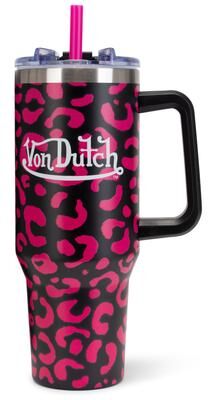

Similar search terms for Von-Dutch-40oz-Double
Top-Angebote
Products related to Von-Dutch-40oz-Double:




-
Is Dutch German?
No, Dutch is not German. While both Dutch and German are West Germanic languages and share some similarities, they are distinct languages with different grammar, vocabulary, and pronunciation. Dutch is spoken in the Netherlands, Belgium, and Suriname, while German is spoken in Germany, Austria, Switzerland, and other parts of Europe. Despite their similarities, they are separate languages with their own unique characteristics. **
-
How difficult is Dutch?
Dutch can be considered moderately difficult for English speakers to learn. The grammar and sentence structure are quite different from English, and the pronunciation can be challenging due to the presence of unique sounds. However, Dutch does share some vocabulary and similarities in sentence structure with English, which can make it easier to grasp for some learners. With dedication and practice, it is definitely possible to become proficient in Dutch. **
-
What are Dutch YouTubers?
Dutch YouTubers are content creators from the Netherlands who produce and upload videos on the popular platform YouTube. They create a wide range of content including vlogs, comedy sketches, gaming videos, beauty tutorials, and more. Many Dutch YouTubers have gained large followings and have become influential figures in the online community. They often collaborate with other YouTubers, participate in brand partnerships, and engage with their audience through social media. **
-
What are Dutch Frikandels?
Dutch Frikandels are a popular snack in the Netherlands, similar to a deep-fried sausage or minced meat hot dog. They are typically made with a mixture of pork, chicken, and other meats, along with various spices and herbs. Frikandels are often served with mayonnaise, ketchup, or curry sauce, and are commonly enjoyed at snack bars, festivals, and sporting events in the Netherlands. They are a beloved and iconic part of Dutch fast food culture. **

Should everyone learn Dutch?
Whether everyone should learn Dutch depends on their individual circumstances and goals. For those living in the Netherlands or planning to move there, learning Dutch can greatly enhance their ability to communicate and integrate into society. Additionally, for those interested in Dutch culture, history, or pursuing career opportunities in the country, learning Dutch can be highly beneficial. However, for individuals with no connection to the Netherlands or Dutch-speaking regions, learning Dutch may not be a priority compared to other languages that are more relevant to their personal or professional lives. Ultimately, the decision to learn Dutch should be based on individual needs and interests. **
Are Dutch people antisocial?
No, Dutch people are not generally considered antisocial. In fact, the Dutch are known for being direct, open, and straightforward in their communication, which can sometimes be mistaken for being antisocial by those from other cultures. However, once you get to know them, Dutch people are often friendly, welcoming, and enjoy socializing with friends and family. It's important to understand and appreciate the cultural differences in communication styles when interacting with people from different backgrounds. **
Top-Angebote
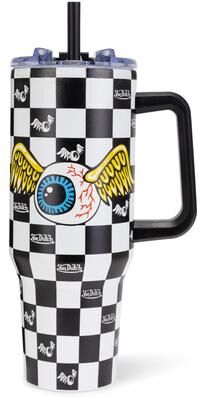
Products related to Von-Dutch-40oz-Double:
-
Von Dutch 26oz Iconic Y2K Double Walled Insulated Stainless Steel BottleMake a statement on the street with a heavy dose of Y2K nostalgia. The Von Dutch Iconic Insulated Bottle commands attention with bold prints, from fierce pink leopard to raining cherries.29,00 $*Shipping: 0,00 $Secure redirect to the provider
-
Why do so many Dutch people have "Van" or "Von" in their name?
Many Dutch surnames include "Van" or "Von" as a prefix because it means "from" or "of" in Dutch. This was historically used to indicate a person's place of origin or association with a particular location. Over time, these prefixes became common in Dutch surnames as a way to distinguish between individuals with the same first or last name. **
-
Why do so many Dutch people have "Van" or "Von" in their names?
Many Dutch surnames contain the prefixes "Van" or "Von" because they indicate a person's ancestral or geographical origin. "Van" means "from" in Dutch, so a surname like "Van der Bilt" would indicate that the person's ancestors came from the town of Bilt. Similarly, "Von" is a Germanic version of the same prefix and is found in Dutch surnames as well. These prefixes were used to distinguish between people with the same first name, and they have become a common feature of Dutch surnames over time. **
-
Is Dutch German?
No, Dutch is not German. While both Dutch and German are West Germanic languages and share some similarities, they are distinct languages with different grammar, vocabulary, and pronunciation. Dutch is spoken in the Netherlands, Belgium, and Suriname, while German is spoken in Germany, Austria, Switzerland, and other parts of Europe. Despite their similarities, they are separate languages with their own unique characteristics. **
-
How difficult is Dutch?
Dutch can be considered moderately difficult for English speakers to learn. The grammar and sentence structure are quite different from English, and the pronunciation can be challenging due to the presence of unique sounds. However, Dutch does share some vocabulary and similarities in sentence structure with English, which can make it easier to grasp for some learners. With dedication and practice, it is definitely possible to become proficient in Dutch. **
Similar search terms for Von-Dutch-40oz-Double
-
What are Dutch YouTubers?
Dutch YouTubers are content creators from the Netherlands who produce and upload videos on the popular platform YouTube. They create a wide range of content including vlogs, comedy sketches, gaming videos, beauty tutorials, and more. Many Dutch YouTubers have gained large followings and have become influential figures in the online community. They often collaborate with other YouTubers, participate in brand partnerships, and engage with their audience through social media. **
-
What are Dutch Frikandels?
Dutch Frikandels are a popular snack in the Netherlands, similar to a deep-fried sausage or minced meat hot dog. They are typically made with a mixture of pork, chicken, and other meats, along with various spices and herbs. Frikandels are often served with mayonnaise, ketchup, or curry sauce, and are commonly enjoyed at snack bars, festivals, and sporting events in the Netherlands. They are a beloved and iconic part of Dutch fast food culture. **
-
Should everyone learn Dutch?
Whether everyone should learn Dutch depends on their individual circumstances and goals. For those living in the Netherlands or planning to move there, learning Dutch can greatly enhance their ability to communicate and integrate into society. Additionally, for those interested in Dutch culture, history, or pursuing career opportunities in the country, learning Dutch can be highly beneficial. However, for individuals with no connection to the Netherlands or Dutch-speaking regions, learning Dutch may not be a priority compared to other languages that are more relevant to their personal or professional lives. Ultimately, the decision to learn Dutch should be based on individual needs and interests. **
-
Are Dutch people antisocial?
No, Dutch people are not generally considered antisocial. In fact, the Dutch are known for being direct, open, and straightforward in their communication, which can sometimes be mistaken for being antisocial by those from other cultures. However, once you get to know them, Dutch people are often friendly, welcoming, and enjoy socializing with friends and family. It's important to understand and appreciate the cultural differences in communication styles when interacting with people from different backgrounds. **
* All prices are inclusive of VAT and, if applicable, plus shipping costs. The offer information is based on the details provided by the respective shop and is updated through automated processes. Real-time updates do not occur, so deviations can occur in individual cases. ** Note: Parts of this content were created by AI.