Buy herbshop85.com ?
We are moving the project
herbshop85.com .
Are you interested in purchasing the domain
herbshop85.com ?
domain@kv-gmbh.de · 0541-91531010
Buy herbshop85.com ?
Is a natural sponge a living organism?
No, a natural sponge is not a living organism. Sponges are multicellular organisms that belong to the animal kingdom, but they lack complex organs and tissues. They are classified as simple animals and are considered sessile filter feeders, meaning they filter food particles from the water that flows through their porous bodies. Once harvested from the ocean, natural sponges are no longer alive and are typically used for bathing or cleaning purposes. **
How does a single-celled organism become a multicellular organism?
A single-celled organism can become a multicellular organism through a process called cell division and specialization. Initially, the single cell undergoes multiple rounds of cell division, resulting in a cluster of cells. These cells then start to differentiate and specialize in their functions, forming different types of tissues and organs. Through further cell division, specialization, and coordination, these cells organize themselves into a complex multicellular organism with various cell types working together to perform specific functions. This process is known as cellular differentiation and is essential for the development of multicellular organisms. **


Similar search terms for Organism
Top-Angebote
Products related to Organism:
-
Inspire Essentials Herbal Wellness Navel Patch Comfortable Adhesive Body Patch 2Support your daily selfcare routine with this herbal wellness patch designed for convenient external use. This navel patch features a comfortable adhesive design that stays securely in place while fitting easily into your everyday routine....52,48 $*Shipping: 0,00 $Secure redirect to the provider
-
Cornerstone Press Make Me Well: The Truth About the Wellness Industry, Supplements, and Personalised Health by Xand van TullekenIn a world of endless wellness advice, learn how to make smarter decisions about your health with the empowering new book from doctor and broadcaster Xand Van Tulleken. Drawing on original reporting, expert insight and real-world case studies, he explores: The truth about supplements and vitamins ― what works and what doesn’t The rise of at-home blood testing and personalised health plans How wearable technology (fitness trackers, sleep trackers, smartwatches) shapes our behaviour The promises and pitfalls of consumer genomics and DNA testing Why the line between healthcare and the wellness industry has become blurred There has never been a more confusing time to try to be healthy. From supplements and blood testing to wearable technology and consumer genomics, the modern wellness industry promises better energy, performance and longevity. But how much of it is science, and how much is marketing? In his groundbreaking book, Make Me Well, Xand van Tulleken investigates the new Wild West of the wellness industry, offering a clear, evidence-based guide to navigating today’s most popular health trends. With practical advice and accessible science, Make Me Well will help you cut through misinformation, avoid unnecessary costs, and make informed decisions about your physical and mental wellbeing. If you’ve ever wondered which health trends are worth your time and money, this is your essential guide to modern wellness.12,99 £*Shipping: 2,99 £Secure redirect to the provider
-
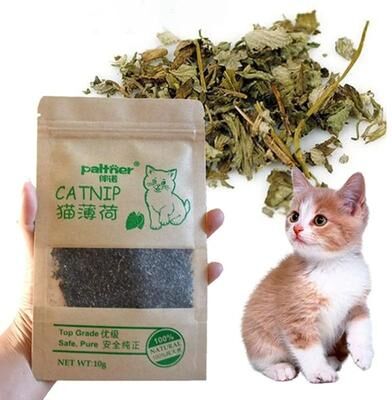
Uplift Treasures Natural Organic Catnip Mint Toy Natural Organic Catnip Mint ToyProduct Description: Treat your feline to endless fun with this 100% natural organic catnip toy made with premium mintflavored cat grass ingredients. Designed to stimulate playfulness and relaxation, this interactive cat toy helps keep cats...52,97 $*Shipping: 0,00 $Secure redirect to the provider
-
Uplift Essentials PureLeaf 100% Organic Natural Catnip PureLeaf 100% Organic Natural CatnipElevate your cat's playtime with PureLeaf Organic Catnip, the gold standard for feline enrichment. Handharvested at the peak of freshness and dried to preserve maximum potency, this 100% natural herb contains high concentrations of nepetalactonethe...34,97 $*Shipping: 0,00 $Secure redirect to the provider



-
How did the unicellular organism evolve into a multicellular organism?
The evolution of unicellular organisms into multicellular organisms is believed to have occurred through a process called coloniality. Initially, unicellular organisms formed colonies where individual cells worked together for survival. Over time, some cells within these colonies specialized in specific functions, leading to the development of multicellular organisms with different cell types. This specialization allowed for more complex structures and functions, ultimately leading to the evolution of multicellular organisms. **
-
How can a single-celled organism become a multicellular organism?
A single-celled organism can become a multicellular organism through a process called cell aggregation. This occurs when individual cells come together and adhere to each other, forming a multicellular structure. Over time, these cells differentiate and specialize to perform specific functions within the organism, leading to the development of tissues and organs. This process allows the single-celled organism to evolve into a complex, multicellular organism with a higher level of organization and specialization. **
-
How did the single-celled organism develop into a multicellular organism?
The transition from single-celled to multicellular organisms is thought to have occurred through a process called coloniality, where individual cells began to work together and specialize in different functions. This allowed for more efficient resource utilization and increased the organism's ability to adapt to different environments. Over time, these specialized cells became more integrated and developed into the complex multicellular organisms we see today. This transition likely occurred independently in different lineages of organisms, leading to the diverse array of multicellular life forms we see today. **
-
Can viruses transform an entire organism into another similar and permanently viable organism?
No, viruses cannot transform an entire organism into another similar and permanently viable organism. Viruses are not capable of causing such a drastic and complex transformation in an organism. While viruses can cause changes in the host organism's cells and genetic material, they do not have the ability to completely transform one organism into another. The concept of a virus causing such a transformation is more characteristic of science fiction rather than actual scientific understanding of virology. **

Is the blastocyst an organism?
Yes, the blastocyst is considered an organism. It is the stage of development of a fertilized egg before it implants into the uterus. At this stage, the blastocyst is a multicellular structure with specialized cells that will eventually develop into the fetus and placenta. Therefore, the blastocyst can be considered an early stage of an organism's development. **
Is cress a living organism?
Yes, cress is a living organism. It is a type of plant that belongs to the mustard family and is commonly grown for its edible leaves. Like all plants, cress is a living organism that undergoes processes such as photosynthesis, respiration, and growth. It requires water, sunlight, and nutrients to survive and thrive. **
Top-Angebote
Products related to Organism:
-
Drop Dash Deals Cleansing Detox Foot Pads For Pain Relief & Toxin Removal Herbal Organic Foot Patches For Wellness Cleansing Detox Foot Pads For Pain Relief & Toxin Removal Herbal Organic Foot Patches For WellnessExperience a natural, rejuvenating detox with these 10 pcs Cleansing Detox Foot Pads. Designed to help remove harmful toxins from your body, these herbal organic patches are perfect for those seeking relief from aches, pain, and fatigue. Simply...29,97 $*Shipping: 0,00 $Secure redirect to the provider
-
Happy Pet Pantry Herbal Dog Throat & Respiratory Support Liquid For Cough Relief & Digestive Wellness Herbal Dog Throat & Respiratory Support Liquid For Cough Relief & Digestive WellnessWhen your dog struggles with coughing, dryness, or throat discomfort, it can be worrying to watch. This herbal liquid formula works as a dog throat supplement designed to gently soothe irritation and support daily comfort. Formulated for pet...39,97 $*Shipping: 0,00 $Secure redirect to the provider
-
Inspire Essentials Herbal Wellness Navel Patch Comfortable Adhesive Body Patch 2Support your daily selfcare routine with this herbal wellness patch designed for convenient external use. This navel patch features a comfortable adhesive design that stays securely in place while fitting easily into your everyday routine....52,48 $*Shipping: 0,00 $Secure redirect to the provider
-
Cornerstone Press Make Me Well: The Truth About the Wellness Industry, Supplements, and Personalised Health by Xand van TullekenIn a world of endless wellness advice, learn how to make smarter decisions about your health with the empowering new book from doctor and broadcaster Xand Van Tulleken. Drawing on original reporting, expert insight and real-world case studies, he explores: The truth about supplements and vitamins ― what works and what doesn’t The rise of at-home blood testing and personalised health plans How wearable technology (fitness trackers, sleep trackers, smartwatches) shapes our behaviour The promises and pitfalls of consumer genomics and DNA testing Why the line between healthcare and the wellness industry has become blurred There has never been a more confusing time to try to be healthy. From supplements and blood testing to wearable technology and consumer genomics, the modern wellness industry promises better energy, performance and longevity. But how much of it is science, and how much is marketing? In his groundbreaking book, Make Me Well, Xand van Tulleken investigates the new Wild West of the wellness industry, offering a clear, evidence-based guide to navigating today’s most popular health trends. With practical advice and accessible science, Make Me Well will help you cut through misinformation, avoid unnecessary costs, and make informed decisions about your physical and mental wellbeing. If you’ve ever wondered which health trends are worth your time and money, this is your essential guide to modern wellness.12,99 £*Shipping: 2,99 £Secure redirect to the provider
-
Is a natural sponge a living organism?
No, a natural sponge is not a living organism. Sponges are multicellular organisms that belong to the animal kingdom, but they lack complex organs and tissues. They are classified as simple animals and are considered sessile filter feeders, meaning they filter food particles from the water that flows through their porous bodies. Once harvested from the ocean, natural sponges are no longer alive and are typically used for bathing or cleaning purposes. **
-
How does a single-celled organism become a multicellular organism?
A single-celled organism can become a multicellular organism through a process called cell division and specialization. Initially, the single cell undergoes multiple rounds of cell division, resulting in a cluster of cells. These cells then start to differentiate and specialize in their functions, forming different types of tissues and organs. Through further cell division, specialization, and coordination, these cells organize themselves into a complex multicellular organism with various cell types working together to perform specific functions. This process is known as cellular differentiation and is essential for the development of multicellular organisms. **
-
How did the unicellular organism evolve into a multicellular organism?
The evolution of unicellular organisms into multicellular organisms is believed to have occurred through a process called coloniality. Initially, unicellular organisms formed colonies where individual cells worked together for survival. Over time, some cells within these colonies specialized in specific functions, leading to the development of multicellular organisms with different cell types. This specialization allowed for more complex structures and functions, ultimately leading to the evolution of multicellular organisms. **
-
How can a single-celled organism become a multicellular organism?
A single-celled organism can become a multicellular organism through a process called cell aggregation. This occurs when individual cells come together and adhere to each other, forming a multicellular structure. Over time, these cells differentiate and specialize to perform specific functions within the organism, leading to the development of tissues and organs. This process allows the single-celled organism to evolve into a complex, multicellular organism with a higher level of organization and specialization. **
Similar search terms for Organism
-
Uplift Treasures Natural Organic Catnip Mint Toy Natural Organic Catnip Mint ToyProduct Description: Treat your feline to endless fun with this 100% natural organic catnip toy made with premium mintflavored cat grass ingredients. Designed to stimulate playfulness and relaxation, this interactive cat toy helps keep cats...52,97 $*Shipping: 0,00 $Secure redirect to the provider
-
Uplift Essentials PureLeaf 100% Organic Natural Catnip PureLeaf 100% Organic Natural CatnipElevate your cat's playtime with PureLeaf Organic Catnip, the gold standard for feline enrichment. Handharvested at the peak of freshness and dried to preserve maximum potency, this 100% natural herb contains high concentrations of nepetalactonethe...34,97 $*Shipping: 0,00 $Secure redirect to the provider
-
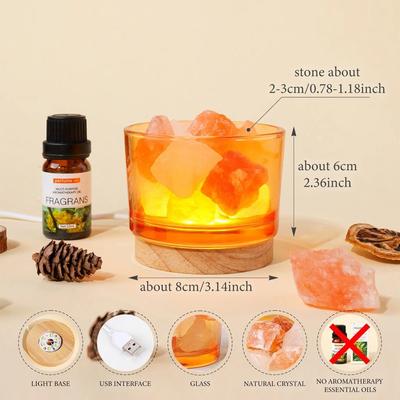
Uplifted Finds Natural Crystal Raw Stone Aromatherapy Lamp Rose Quartz Healing Mineral Light For Home & Wellness Decor obsidian including Lamp Base"Transform your environment into a serene haven with our Natural Crystal Raw Stone Aromatherapy Lamp. This premium decorative lamp is the ultimate designer solution for creating a ""HealingSanctuary"" or ""ZenMinimalist"" atmosphere in any home...."100,97 $*Shipping: 0,00 $Secure redirect to the provider
-
Inspire Essentials Herbal Wellness Navel Patch Comfortable Adhesive Body Patch 3Support your daily selfcare routine with this herbal wellness patch designed for convenient external use. This navel patch features a comfortable adhesive design that stays securely in place while fitting easily into your everyday routine....57,48 $*Shipping: 0,00 $Secure redirect to the provider
-
How did the single-celled organism develop into a multicellular organism?
The transition from single-celled to multicellular organisms is thought to have occurred through a process called coloniality, where individual cells began to work together and specialize in different functions. This allowed for more efficient resource utilization and increased the organism's ability to adapt to different environments. Over time, these specialized cells became more integrated and developed into the complex multicellular organisms we see today. This transition likely occurred independently in different lineages of organisms, leading to the diverse array of multicellular life forms we see today. **
-
Can viruses transform an entire organism into another similar and permanently viable organism?
No, viruses cannot transform an entire organism into another similar and permanently viable organism. Viruses are not capable of causing such a drastic and complex transformation in an organism. While viruses can cause changes in the host organism's cells and genetic material, they do not have the ability to completely transform one organism into another. The concept of a virus causing such a transformation is more characteristic of science fiction rather than actual scientific understanding of virology. **
-
Is the blastocyst an organism?
Yes, the blastocyst is considered an organism. It is the stage of development of a fertilized egg before it implants into the uterus. At this stage, the blastocyst is a multicellular structure with specialized cells that will eventually develop into the fetus and placenta. Therefore, the blastocyst can be considered an early stage of an organism's development. **
-
Is cress a living organism?
Yes, cress is a living organism. It is a type of plant that belongs to the mustard family and is commonly grown for its edible leaves. Like all plants, cress is a living organism that undergoes processes such as photosynthesis, respiration, and growth. It requires water, sunlight, and nutrients to survive and thrive. **
* All prices are inclusive of VAT and, if applicable, plus shipping costs. The offer information is based on the details provided by the respective shop and is updated through automated processes. Real-time updates do not occur, so deviations can occur in individual cases. ** Note: Parts of this content were created by AI.